Basílica de Nuestra Señora del Perpetuo Socorro, Minor basilica in Santiago, Chile
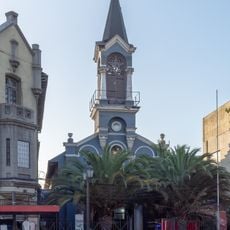
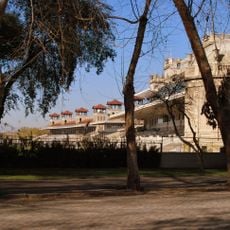
The Basílica de Nuestra Señora del Perpetuo Socorro is a Gothic Revival church of reinforced concrete, 68 metres long and 30 metres wide, with five naves of which only three were completed. Its two highest spires reach 55 and 65 metres, and the central tower cross, installed in 1913, is about 4 metres tall and weighs around 500 kg. Interior columns are monoliths hauled by ox cart from San José de Maipo in 1906–1907.
Redemptorist missionaries arrived in Chile in 1876, and the Ugarte family transferred the land by public deed in 1876; the first stone was blessed on 11 December 1904. Belgian architect Gustave Knockaert, known as Brother Gerardo, designed the Gothic Revival church with Huberto Boulangeot as on-site architect. The 1906 Valparaíso earthquake forced reinforcement of the plans, and reinforced concrete work began in 1912 under engineer Juan Tonkin. The Holy See declared it a Minor Basilica in 1926, the first in the world dedicated to Our Lady of Perpetual Help.
The basilica serves as a central place where Catholic worshippers gather for daily prayers and celebrations throughout the year. Its presence in the neighborhood has made it an important spiritual home for generations of families in the community.
The basilica is accessible from the main street and situated in a well-established area of the neighborhood. Visitors should allow time for services and be aware that special events may affect visiting hours.
Eight of the 28 planned stained-glass windows and a rose window were never bought because of the saltpetre crisis and World War I; those openings still hold plain clear glass. The French organ by Neuville Frères dates from 1897 and is a declared National Historic Monument.
The community of curious travelers
AroundUs brings together thousands of curated places, local tips, and hidden gems, enriched daily by 94,621 contributors worldwide.