Las Campanas Observatory, Astronomical observatory in Atacama Desert, Chile
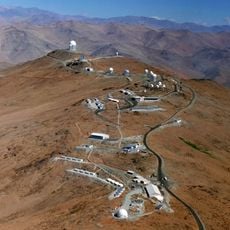
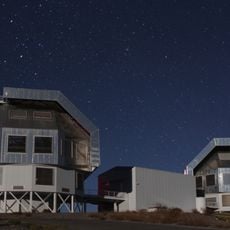
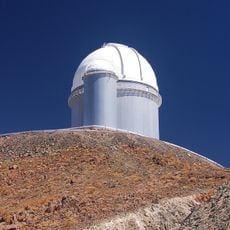
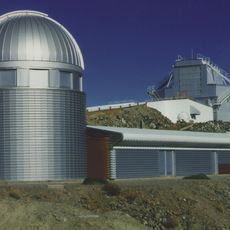
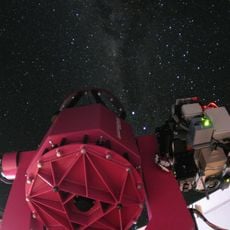
Observatorio Las Campanas is an astronomical research facility located high in the Atacama Desert at an elevation of about 2,500 meters. The station operates multiple telescopes dedicated to optical observation and solar research.
The Carnegie Institution for Science established Las Campanas Observatory in 1969, taking over as its primary observatory from Mount Wilson, where light pollution from the Los Angeles area had worsened observing conditions. Before the site on Cerro Las Campanas was chosen, the nearby Cerro Morado had been surveyed in late 1962 and early 1963 as a potential location. The first telescope, the 1.0 m Swope, began operating in 1971.
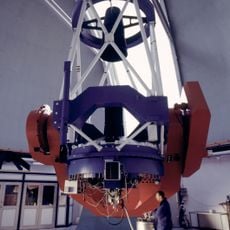
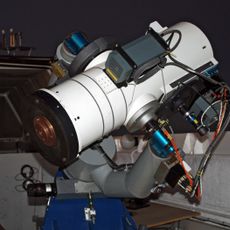
The 1 m Swope Telescope, named after Carnegie astronomer Henrietta Swope, was the first installed at the site in 1971. On 24 February 1987 Ian Shelton and Oscar Duhalde observed Supernova 1987A here, and on 17 August 2017 the Swope telescope found SSS17a, the optical counterpart of gravitational wave source GW170817.
The facility sits in a remote mountain location and typically requires advance permission or an organized visit to access. Visitors should prepare for the high altitude and bring warm clothing, as nighttime temperatures drop significantly.
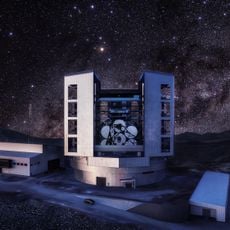
The site will host one of the world's most powerful telescopes: the Giant Magellan Telescope with seven mirror segments, expected to begin operations in the coming years. This instrument will enable deep insights into galaxy formation.
The community of curious travelers
AroundUs brings together thousands of curated places, local tips, and hidden gems, enriched daily by 92,744 contributors worldwide.