Guayacán, Historical district in Coquimbo, Chile
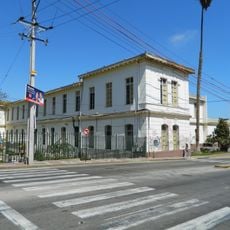
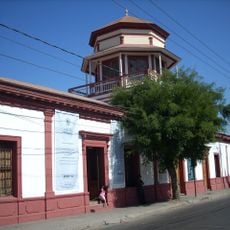
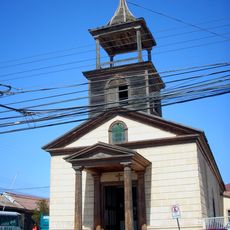
Guayacán is a historical district in Coquimbo that runs from Guacolda Street down to the Pacific Ocean, with rows of connected buildings that have central doorways and side windows. The iron church is the focal point of the main plaza and the most recognizable structure in the area.
The copper foundry that defined Guayacán opened in 1856, run by the Compañía Chilena de Fundiciones of José Tomás de Urmeneta and his son-in-law Maximiano Errázuriz. At its height it had some 35 reverberatory furnaces served by three chimneys about 40 m tall, and in 1872 it produced 920 tonnes of bronze and iron bars. A railway to the Tamaya mine and a coastal loading pier followed in 1862.
The iron church shows the mark of foreign craftsmen who came to work in the copper industry and brought their building skills. Walking through the neighborhood, you can feel how European engineering shaped the local architecture.
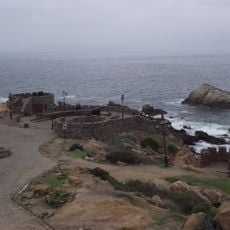
The traditional sector centres on the main square, though the protected area reaches from Guacolda, Wenceslao Vargas and Darío Salas streets and the Pan-American Highway to the Pacific. The sites lie close together and are walkable. The English Cemetery, the church and the plaza sit inland; the fishing cove and El Cóndor beach, once called Playa de los Ingleses, are down on the shore.
The English Cemetery, created in 1874, holds the graves of the first Scottish and Welsh families who made their home here. This quiet place tells the story of migrants who journeyed far from home to build new lives.
The community of curious travelers
AroundUs brings together thousands of curated places, local tips, and hidden gems, enriched daily by 92,654 contributors worldwide.