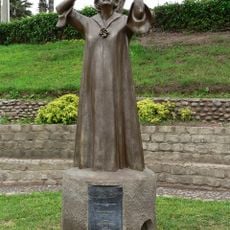
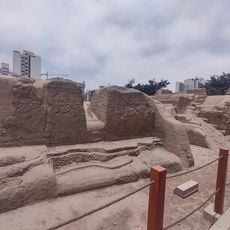
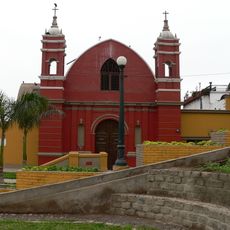
Cerro Paloma, Archaeological site in Chilca District, Peru.
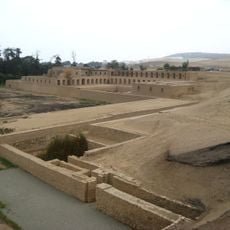
Cerro Paloma is an archaeological site in Chilca District that spans roughly 15 hectares between coastal hills and a dry canyon, marked by crushed white shells covering the ground. The location provided access to marine resources, lomas vegetation zones, and the Chilca River valley.
Scientific excavations revealed that the settlement was inhabited between 5700 and 2800 BCE, making it one of the earliest confirmed villages in the Americas. This timeline demonstrates early human presence and adaptation to coastal environments.
Inhabitants built roughly 420 houses from willow and reed poles, with reed mat roofs and floors dug into the ground for temperature control. This building method shows how people used available materials to create practical solutions for their needs.
The site is in a dry region with limited shade, so sun protection and plenty of water are necessary. It is best to wear sturdy shoes since the terrain is uneven and crushed shells are scattered across the ground.
Researchers discovered 251 burial sites beneath house floors, where bodies were wrapped in plant fiber mats. The dry environment preserved these remains for thousands of years, offering rare insights into early burial practices.
The community of curious travelers
AroundUs brings together thousands of curated places, local tips, and hidden gems, enriched daily by 90,780 contributors worldwide.