Viceroyalty of Peru, Spanish colonial administration center in South America
The Viceroyalty of Peru covered present-day Peru, Bolivia, Ecuador, and portions of Chile and Argentina, with Lima acting as the administrative center. The Spanish crown divided the territory into smaller governorships and audiencias to maintain control over the sprawling regions.
King Charles V founded the Viceroyalty in 1542 to centrally govern Spanish possessions in South America. Colonial rule ended gradually in the early 19th century as independence movements swept through the region.
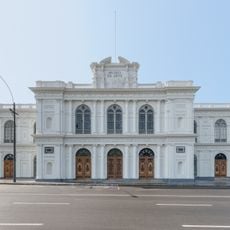
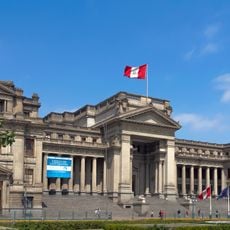
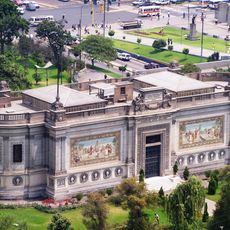
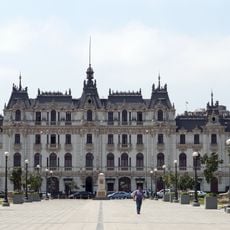
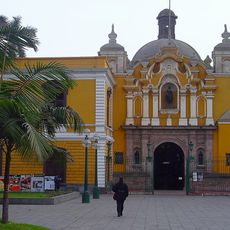
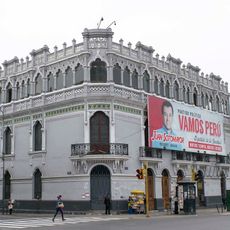
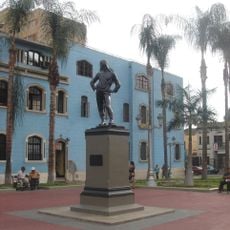
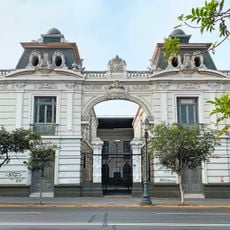
Colonial administration shaped much of South America through the construction of cathedrals, palaces, and plazas that now dominate the cityscape of many towns. Travelers encounter this era in the narrow streets of old quarters, where carved wooden balconies and arcaded courtyards recall Spanish rule.
Travelers explore the remnants of this era in the historic centers of Lima, Cusco, Quito, and Potosí, where colonial buildings shape the urban landscape. Many churches, monasteries, and government buildings from this period are now open to the public and offer insight into the architecture of the time.
The silver mines of Potosí within the Viceroyalty produced such quantities of precious metal that they influenced the economy of Europe and contributed to inflation in Spain. Much of this wealth flowed into the construction of grand colonial buildings that still bear witness to this era.
The community of curious travelers
AroundUs brings together thousands of curated places, local tips, and hidden gems, enriched daily by 92,005 contributors worldwide.