Bolognesi Square, Cultural heritage square in central Lima, Peru.
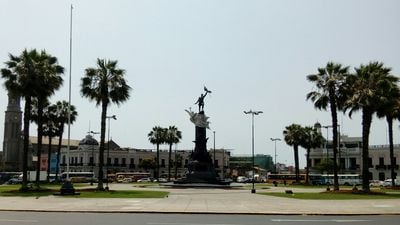
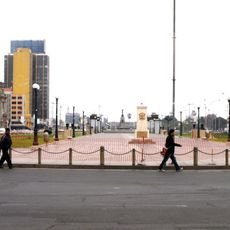
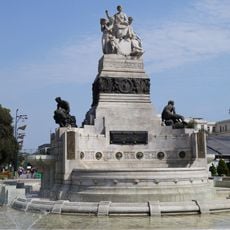
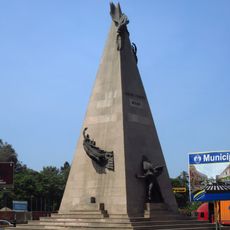
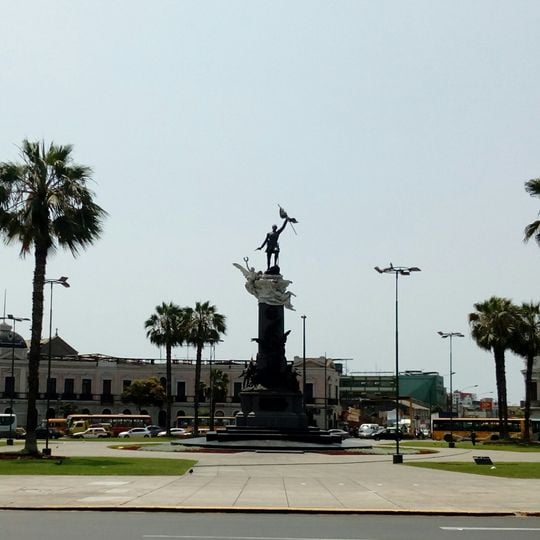
Bolognesi Square is a public plaza in central Lima organized around a central monument where eight streets converge in a radiating pattern. The geometric arrangement creates a clear focal point in the city's street network, with major avenues like Brasil, Alfonso Ugarte, and Arica meeting at this intersection.
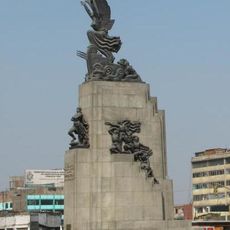
The first stone was laid on 29 July 1902, and the monument by Spanish sculptor Agustín Querol arrived by ship in blocks in early 1905, assembled under the direction of worker Enrique Días. The inauguration, planned for Bolognesi's birthday on 4 November, was moved to 6 November 1905 under President José Pardo y Barreda. The Argentine Roque Sáenz Peña, a survivor of the defence of Arica, attended and received command of the line for the military parade.
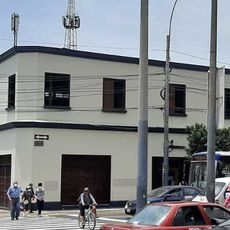
Every 7 June, Peruvian Flag Day, the plaza hosts the Ceremony of the Flag, when conscripts swear allegiance to the flag; the first such oath was taken here on inauguration day in 1905. The surrounding radial blocks were originally painted entirely light blue, and small political party offices now occupy many of the deteriorated buildings.
The plaza is a traffic roundabout where Brasil, Arica, Alfonso Ugarte, Guzmán Blanco and 9 de Diciembre avenues meet, on the border of the Lima and Breña districts. Cross with care at the marked crossings, since traffic circulates around the central obelisk. The flag ceremony takes place here every 7 June.
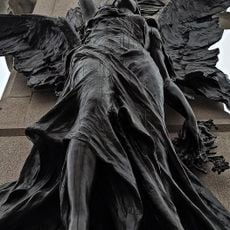
The 1954 replacement was cast from bronze obtained from three tons of artillery shell casings. The outgoing statue by Agustín Querol showed Bolognesi clinging to a flagpole, head bowed, at the moment of his death; critics of the day said the figure looked drunk, and the young journalist Mario Vargas Llosa called the new one a "grotesque puppet."
The community of curious travelers
AroundUs brings together thousands of curated places, local tips, and hidden gems, enriched daily by 93,673 contributors worldwide.