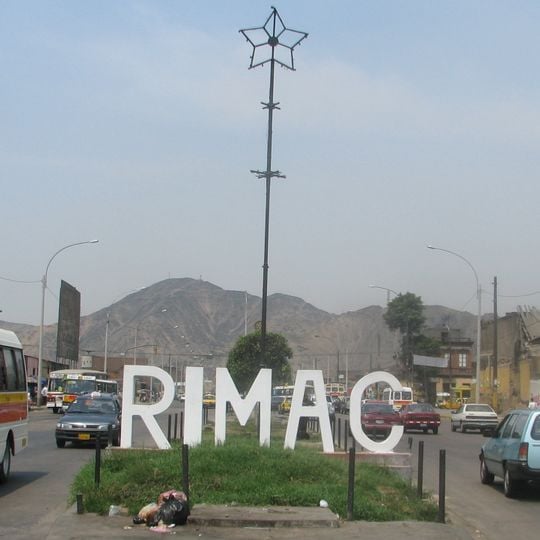
Rímac, Colonial district in Lima, Peru
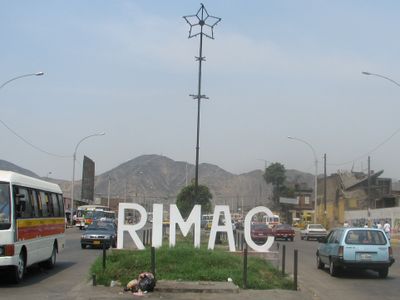
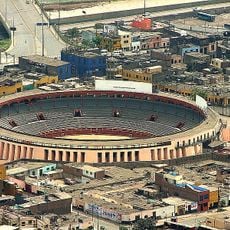
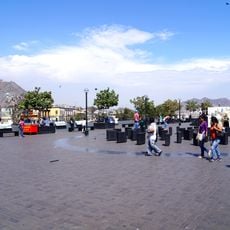
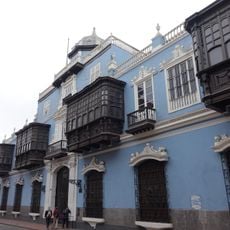
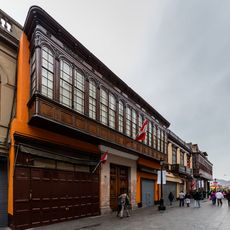
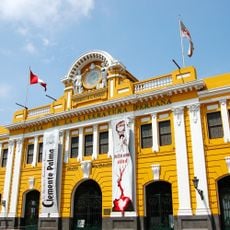
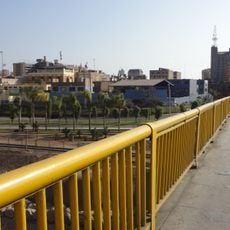
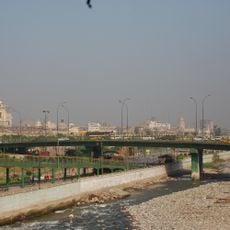
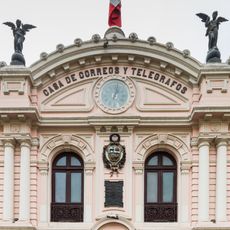
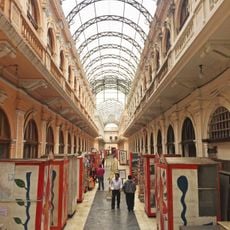
Rímac is a district extending north from downtown Lima, situated on both sides of the river that shares its name. The area features a dense network of streets lined with modest buildings, neighborhood shops, and public gathering spaces.
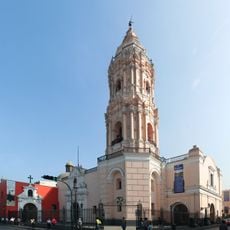
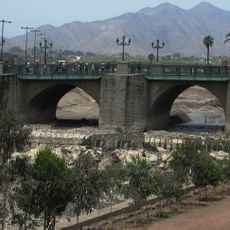
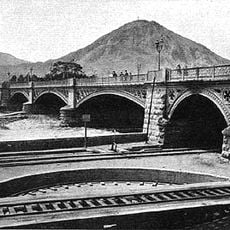
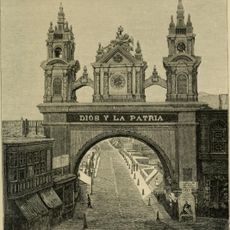
The district developed during the colonial period and was formally established as a separate administrative area in 1921. The Puente de Piedras, built in 1610, stands as one of the city's earliest stone bridges and marks this era of expansion.
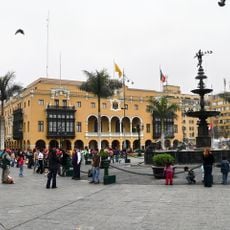
The district's name comes from the Quechua word Rímac, meaning 'speaking river,' and residents use public squares daily for trading and gathering. Traditional craftspeople and street vendors maintain longstanding commercial practices that shape daily life.
The district is served by public transportation and contains numerous local markets and street vendors throughout. Visitors should explore the busy commercial streets during daytime and be prepared for uneven terrain.
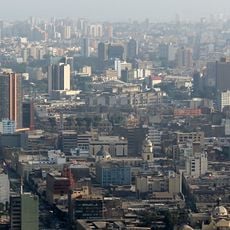
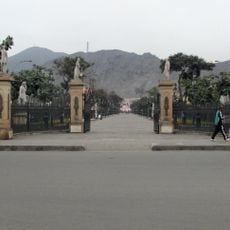
Cerro San Cristóbal rises as the highest point within the urban area and offers expansive views across the entire metropolitan region from its summit. The sight extends toward distant mountains and reveals Lima's geographic setting in a striking way.
The community of curious travelers
AroundUs brings together thousands of curated places, local tips, and hidden gems, enriched daily by 91,687 contributors worldwide.