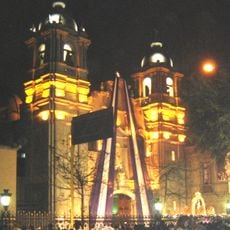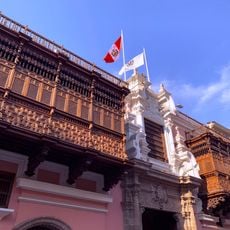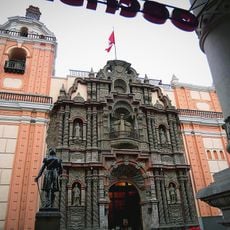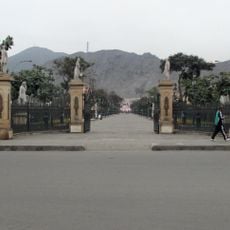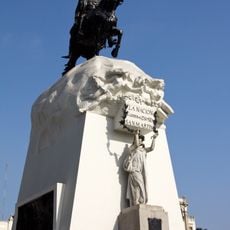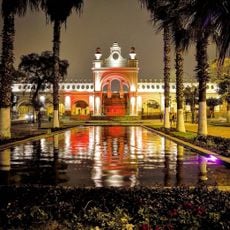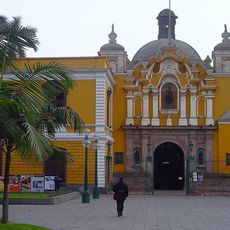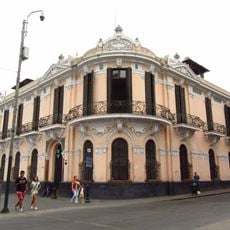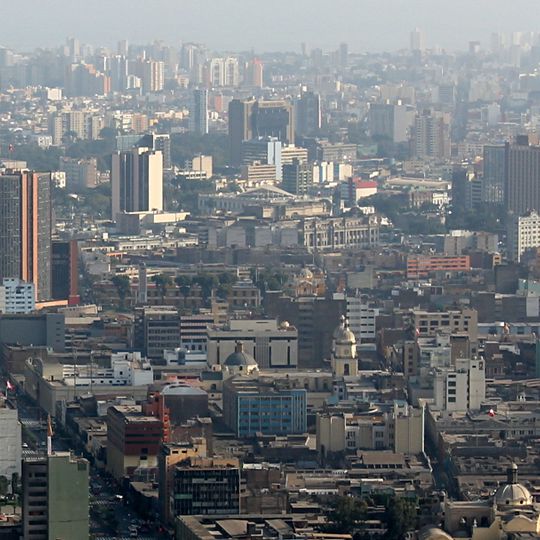
Historic Centre of Lima, Historic site in Lima, Peru.
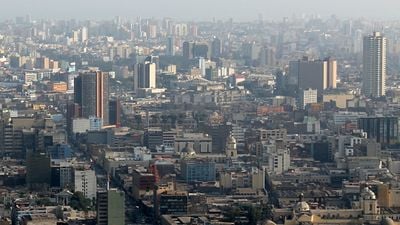
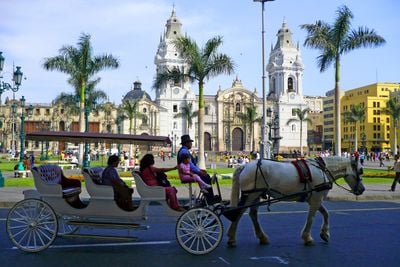
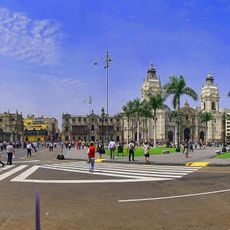
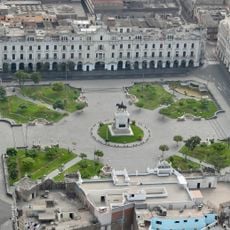
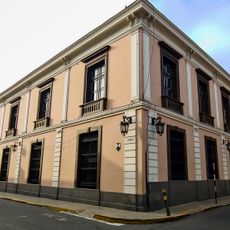
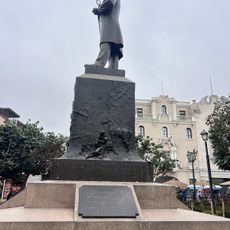
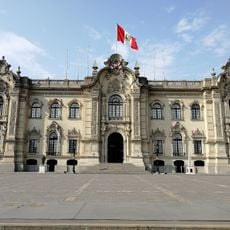
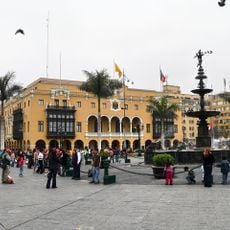
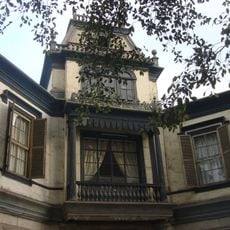
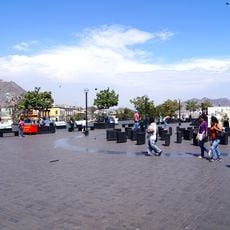
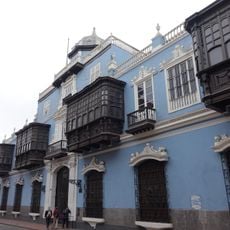
The Historic Centre of Lima is a district with colonial-era buildings arranged in a grid pattern that radiates from the Plaza Mayor as the central focal point. The streets intersect at right angles, creating a clear network of narrow passages and open squares throughout the area.
Lima was founded on 18 January 1535 by Francisco Pizarro as the Ciudad de los Reyes and became the political, administrative, religious and economic capital of the Viceroyalty of Peru. The University of San Marcos, the Dean University of the Americas, was founded on 12 May 1551 and began teaching on 2 January 1553 in the Convent of Santo Domingo. The old town was declared a Monumental Zone on 28 December 1972, and UNESCO extended World Heritage status to the historic centre in 1991.
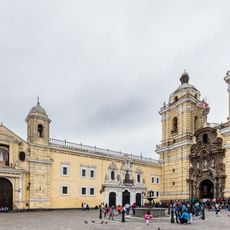
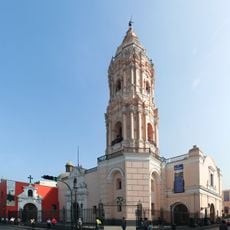
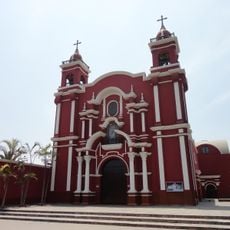
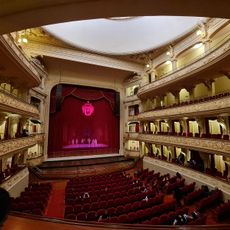
The churches and monasteries in this quarter display religious artworks and manuscripts that reveal the spiritual priorities of colonial times. Walking through these spaces shows how faith shaped the daily life and social structure of the settlement.
The district is best explored on foot, with the Plaza Mayor serving as a natural starting point for wandering through the surrounding streets. Moving slowly through the narrow passages allows you to notice the entrances to churches, monasteries, and small museums along the way.
The black-and-white UNESCO shield on old façades marks buildings catalogued as World Heritage; the centre holds 608 historic monuments, mostly within the Damero de Pizarro. Street plaques are another layer: a local textile firm, Barrington, sponsored signs with traditional street names and short explanations in the 1980s, and yellow plaques were reinstalled around 2021.
The community of curious travelers
AroundUs brings together thousands of curated places, local tips, and hidden gems, enriched daily by 92,861 contributors worldwide.