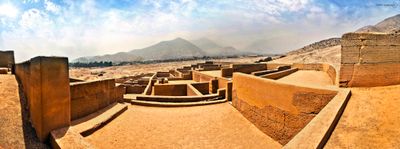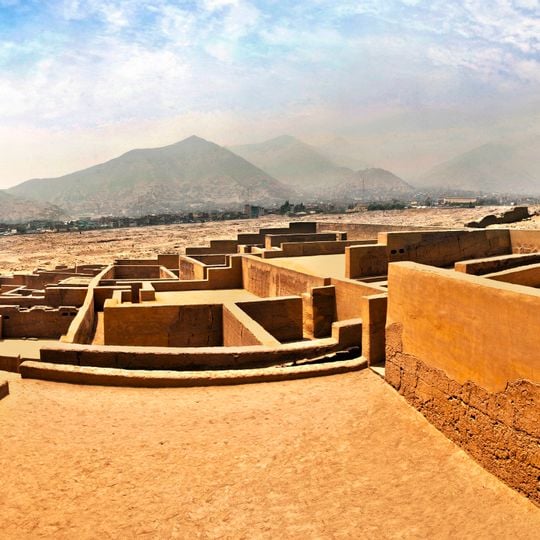
Huaycán de Pariachi, Archaeological site in Ate district, Peru.
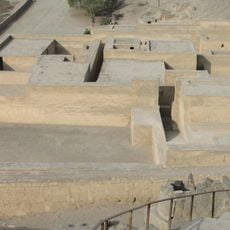
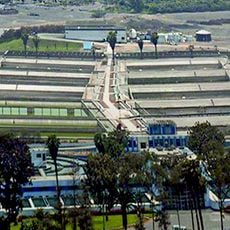
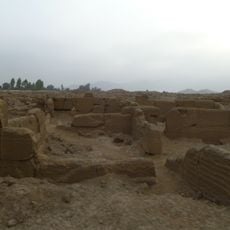
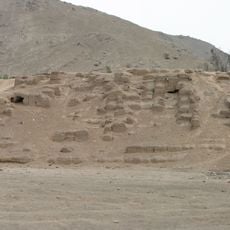
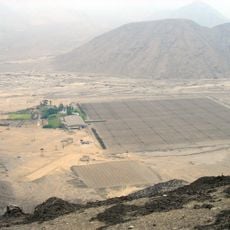
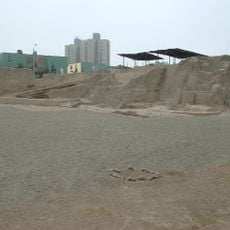
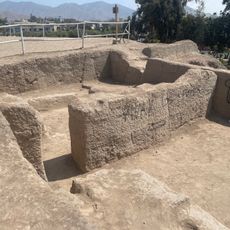
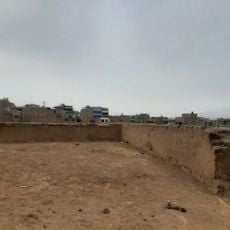
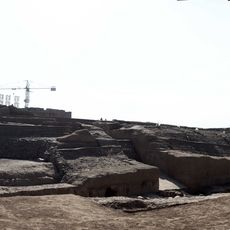
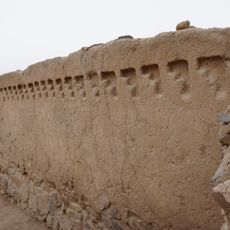
Huaycán de Pariachi is an archaeological site in the Ate District, on the eastern edge of Lima, Peru, divided into three sectors with pyramids, ramps, storage areas, and connecting paths. All structures were built using the tapial technique, which involves layers of compacted earth poured into wooden molds.
The site grew as an administrative center in the middle Rimac Valley under the Ychsma culture, then was absorbed into the Inca Empire around 1400. This transition can be read in the gradual changes in building styles and spatial organization across the site.
Excavations at the site uncovered pottery, baskets, and woven textiles decorated with ochre, yellow, and white patterns inspired by local animals. These objects show how closely daily life and artistic expression were tied together in this community.
The site sits on the eastern edge of Lima and can be reached by public transport or car, so wearing sturdy shoes is a good idea given the unpaved and sloped paths. There is little shade across the area, so bringing water and sun protection matters most during midday hours.
The main palace was built directly into the hillside, using the natural slope to create multiple levels without heavy earthworks. This approach is rarely seen at other sites in the Rimac Valley, which makes this part of the complex stand out among its contemporaries.
The community of curious travelers
AroundUs brings together thousands of curated places, local tips, and hidden gems, enriched daily by 90,951 contributors worldwide.