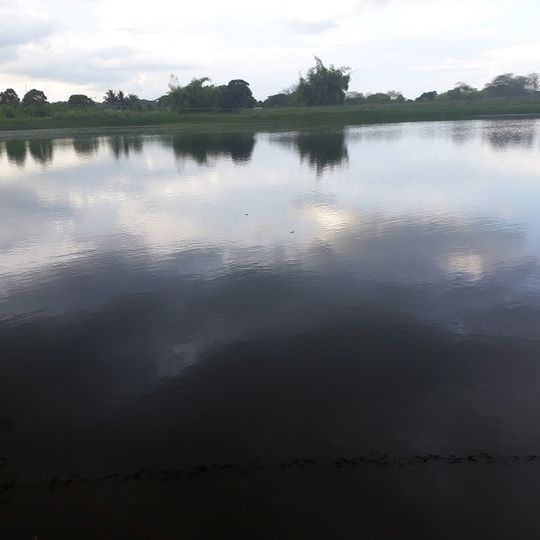
Chone River, River in Manabí Province, Ecuador
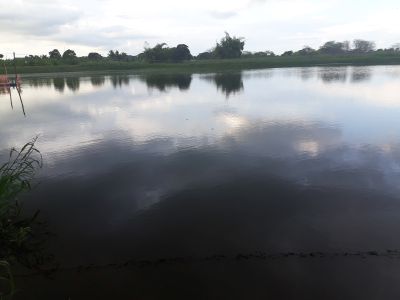
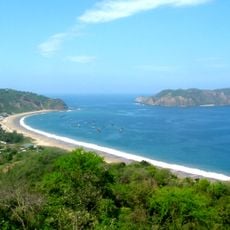
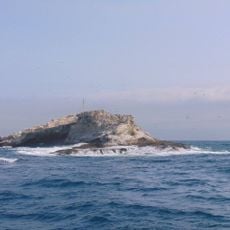
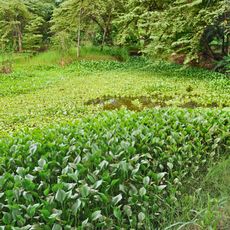
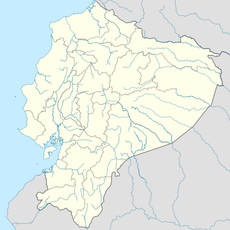
Chone River is a broad waterway in central Ecuador that rises in the coastal mountains and reaches the Pacific through a wide estuary near Bahía de Caráquez. Along its course, soft hills and patches of mangrove line the banks, with the narrow upper section widening into open water where several islands appear.
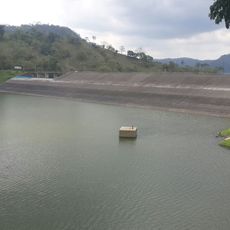
Early Spanish chroniclers called this watercourse Río Caráquez before the town of Chone consolidated, describing a wide river that opened into a broad bay. In 1985 the Esperanza Dam was completed upstream, built only for irrigation and flood control rather than electricity generation.
Along the banks, small fishing communities keep wooden boats near the water and gather crabs and shellfish from the mangrove edges, a routine still visible to visitors. On Isla Corazón, local guides walk through the mangrove roots and share stories about the duende, a small spirit said to live on the island.
Boat trips from Bahía de Caráquez offer the easiest way to see the lower course and islands, and the water stays generally navigable in that section. Mornings tend to bring calmer surface conditions, and wearing light clothing with sun protection makes the slow journey more comfortable.
A marshy area called Ciénega La Segua in the upper estuary hosts 164 bird species, 22 of them migratory, making it a quiet spot for birdwatching that many travelers pass by. Among the mangroves near Salinas grows the tallest stand of Rhizophora in the estuary, a place essential for the red crab fishery.
The community of curious travelers
AroundUs brings together thousands of curated places, local tips, and hidden gems, enriched daily by 60,000 contributors worldwide.