Chenque Hill, Summit in Comodoro Rivadavia, Argentina
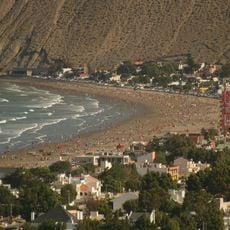
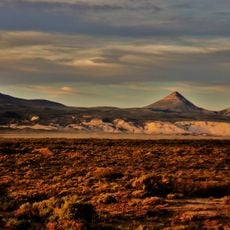
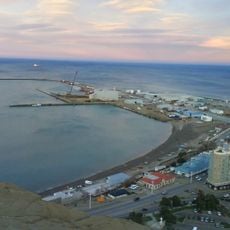
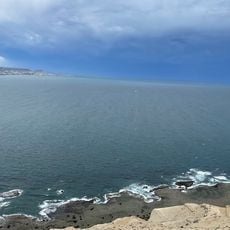
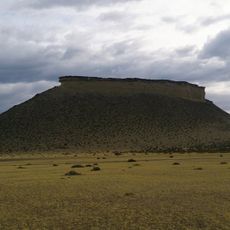
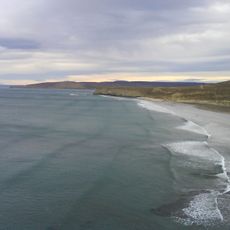
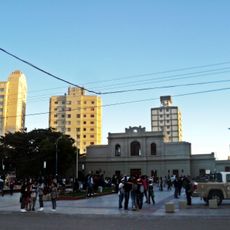
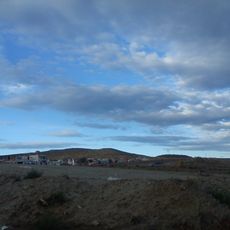
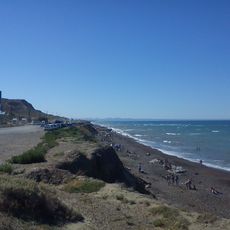
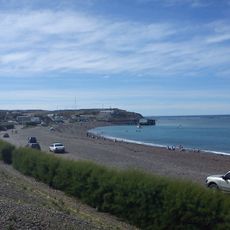
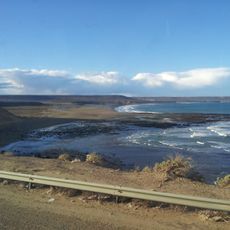
Chenque Hill is a 212-meter elevation in Comodoro Rivadavia that divides the city into distinct zones and creates a natural viewpoint. The western side borders the business district, while the eastern slope descends toward the Atlantic, offering ocean views across the water.
The hill was named Chenque because the Mapuche and other indigenous peoples used it as a cemetery, placing the dead on the ground and piling stones over them. In 1904 the first settlers of Comodoro Rivadavia opened their own cemetery at its foot, near today's National Route 3; it operated for about 40 years until the 1940s, and the last remains were moved in the 1980s. A 2015 cenotaph recalls those first settlers.
The name chenque refers to pre-Columbian indigenous tombs, recorded by French researcher Henri de La Vaulx in his 1905 work "The Stone Age in Patagonia". The Mapuche used the hill as a cemetery, placing the dead on the ground and piling stones over them, facing east. A popular belief holds that rubbing your hands in the sandy soil brings you back to the region.
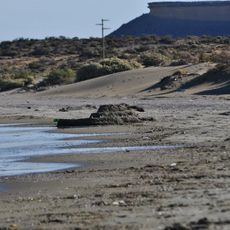
The slopes are often unstable due to the geological makeup and exposure to weather, particularly in the Infiernillo area. Visitors should move carefully and avoid loose sections, especially after rain or strong winds common to the region.
The hill's name comes from chenque, the Patagonian term for pre-Columbian indigenous tombs recorded by French researcher Henri de La Vaulx in his 1905 work "The Stone Age in Patagonia". Mapuche peoples used the hill as a cemetery, placing the dead on the ground and piling stones over them, facing east.
The community of curious travelers
AroundUs brings together thousands of curated places, local tips, and hidden gems, enriched daily by 93,007 contributors worldwide.