Acueducto Lago Musters, Water transportation infrastructure in Patagonia, Argentina
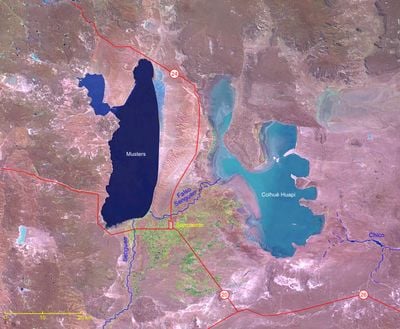
The Lago Musters Aqueduct is a pipeline system that transports water from Lake Musters across Patagonia to supply several municipalities in Chubut Province. The infrastructure moves water from a single natural source across vast distances to reach communities that would otherwise lack reliable supplies.
The original Jorge Carstens aqueduct entered service in 1965, built by Supercemento SAIC and Vianini SPA under decree 11,522 of 1960 to supply Sarmiento and Comodoro Rivadavia. It suffered its first rupture two years later. The newer section, inaugurated on 4 December 1999 at a cost of US$90 million, draws from Lake Musters and supplies 350,000 inhabitants.
The system is run under a concession contract by the Sociedad Cooperativa Popular Limitada de Comodoro Rivadavia, a service cooperative that has operated and maintained it since 1982 and also handles drinking water distribution, electricity and sewers in Comodoro Rivadavia. Its name honours Jorge Federico Carstens, though it is popularly and wrongly called Acueducto Lago Musters.
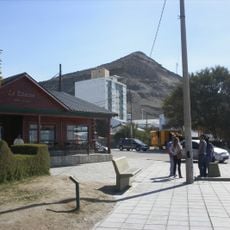
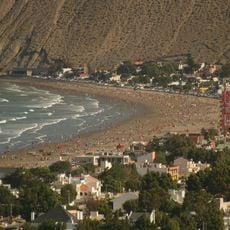
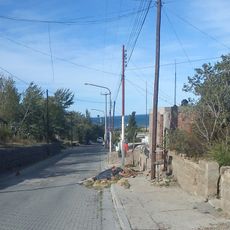
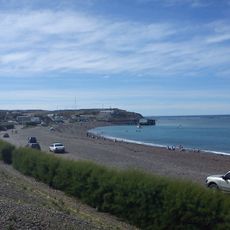
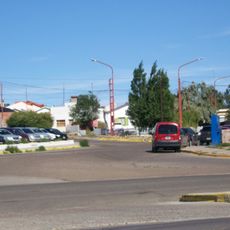
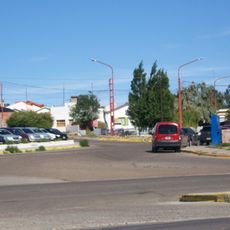
The pipeline runs mostly underground across the Patagonian plains and is not easily accessible for close inspection from a single location. To understand how this system connects the region, it helps to visit the different towns it supplies and see how the water reaches their neighborhoods.
The two parallel pipes, each about 144 km long, are called Acueducto Antiguo and Acueducto Nuevo because they were built decades apart. The older line entered service in 1965 and suffered its first rupture only two years later. The most fragile stretch lies between Cerro Negro and Valle Hermoso, 41 km that account for 90% of all breaks.
The community of curious travelers
AroundUs brings together thousands of curated places, local tips, and hidden gems, enriched daily by 94,060 contributors worldwide.