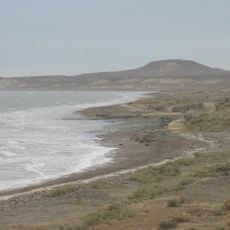
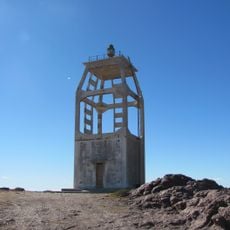
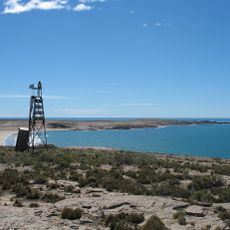
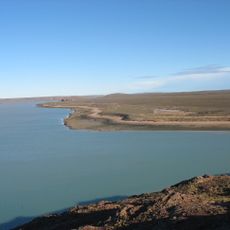
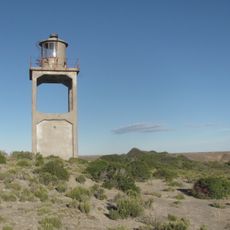
Patagonian Shelf, Continental shelf in South Atlantic Ocean, Argentina.
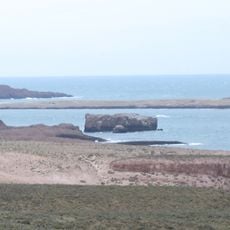
The Patagonian Shelf extends from Argentina's southeastern coast into the Atlantic Ocean as a submerged plateau with gentle underwater slopes. This zone reaches depths of around 200 meters and creates stable marine conditions suitable for diverse ocean life.
The shelf formed over millions of years through sediment deposits from the South American continent and geological processes along the continental edge. Scientific interest in the region grew significantly during the 20th century as researchers began mapping its oceanographic features.
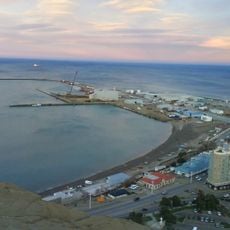
The shelf sustains fishing communities along Argentina's coast and has shaped their livelihoods for generations through accessible marine resources. Local fishing practices remain deeply connected to the seasonal rhythms and conditions of these shallow waters.
Visitors can only access the shelf by boat from Argentine coastal ports, as the area lies entirely beneath the ocean surface. The best conditions for maritime exploration occur during the southern summer months when sea states are typically calmer.
The Falklands Trough marks a deep boundary zone east of the shelf where depths plunge dramatically beyond 2000 meters. This sharp transition creates a striking geological feature where shallow fishing grounds suddenly give way to oceanic abyss.
The community of curious travelers
AroundUs brings together thousands of curated places, local tips, and hidden gems, enriched daily by 90,779 contributors worldwide.