Jagüel Formation, Fossil-rich geological formation in Río Negro Province, Argentina.
Jagüel Formation is a geological layer in eastern Argentina that consists of sandstone and mudstone deposited in an ancient sea. It sits between two other rock layers and contains the remains of marine creatures from millions of years ago.
This rock layer formed about 70 million years ago during the Late Cretaceous when the region was covered by a shallow sea. Geologists first recognized its importance in 1914 and have studied it since as a window into ancient marine life.
Research teams from multiple universities conduct regular excavations at the site to study the extinction event that marked the end of the Mesozoic era.
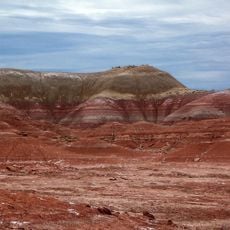
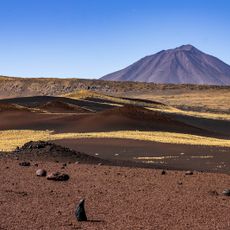
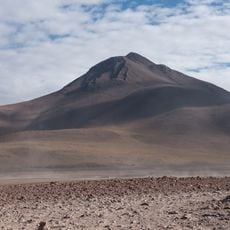
The formation is visible in various exposed sections across the Neuquén Basin where rock layers are uncovered. Visitors interested in the fossils should note that these are scientific areas and proper permissions are needed for any collecting or excavation activities.
The layer contains the boundary where a massive asteroid struck, ending the age of dinosaurs and dramatically changing life on Earth. This thin line of rock marks one of the most important moments in the planet's history and is visible in the sediments here.
The community of curious travelers
AroundUs brings together thousands of curated places, local tips, and hidden gems, enriched daily by 60,000 contributors worldwide.