Barracas, Administrative district in Buenos Aires, Argentina
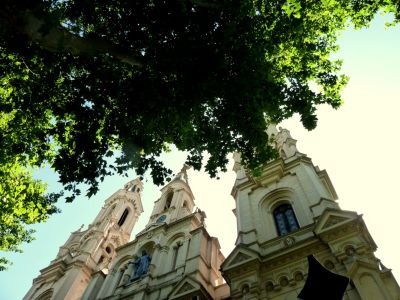
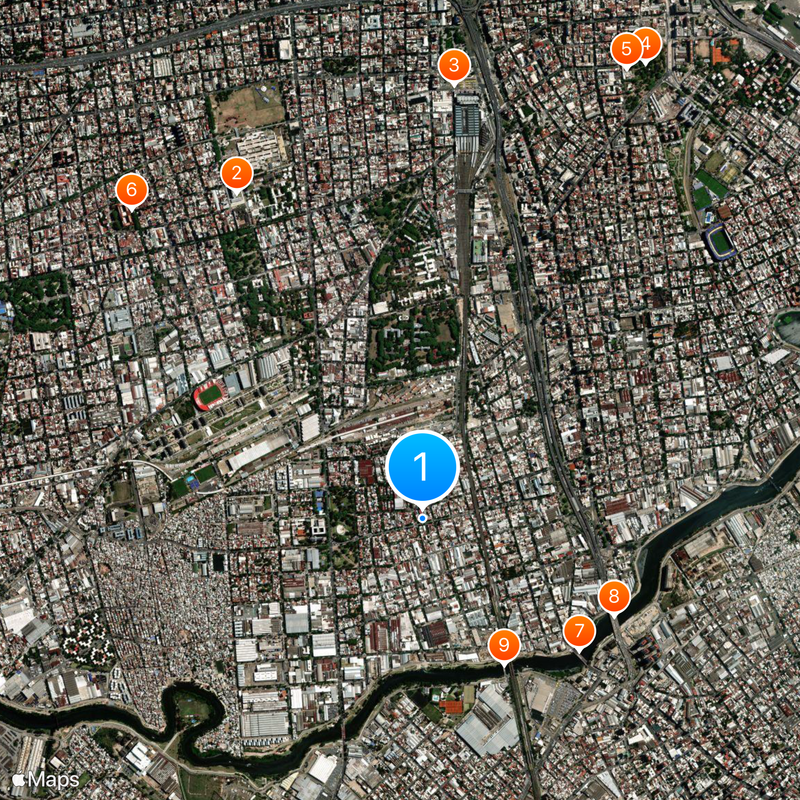
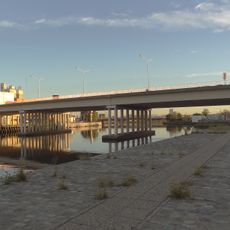
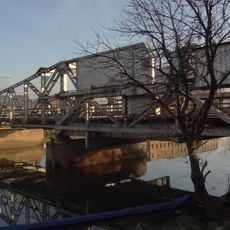
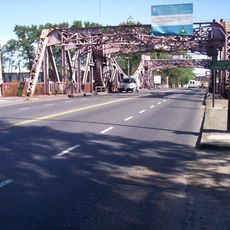
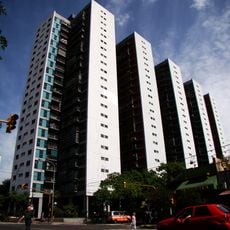
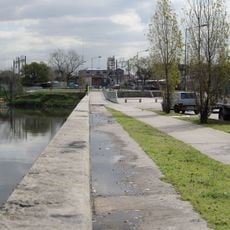
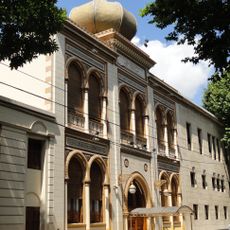
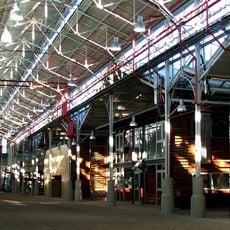
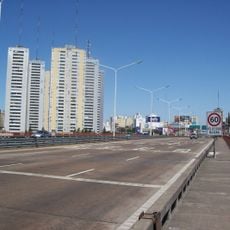
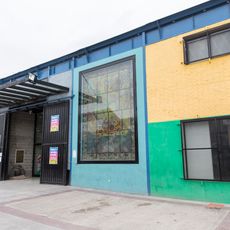
Barracas is a neighborhood in southeastern Buenos Aires located between the Ferrocarril General Manuel Belgrano railroad and the Riachuelo River. The area features older residential buildings mixed with newer constructions, with streets lined by shops and eateries along its main avenues.
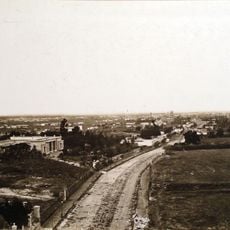
The 1871 yellow fever epidemic caused wealthy residents to move northward, transforming the area from an upper-class district into a working-class industrial neighborhood. This shift permanently changed the economic and social character of the region.
Calle Lanín displays over 35 houses covered with colorful tile mosaics created by artist Marino Santa María, forming an open-air art exhibition. This street decoration represents the neighborhood's creative tradition and local artistic identity.
The neighborhood is served by multiple bus routes and metro connections for easy access. Avenida Caseros is known for its restaurants with outdoor seating, offering good places to eat while experiencing local life.
The intersection of Montes de Oca and Osvaldo Cruz streets gained fame through the tango song Tres Esquinas, composed by Angel D'Agostino and Angel Vargas. This musical connection has kept the location alive in local tango culture.
The community of curious travelers
AroundUs brings together thousands of curated places, local tips, and hidden gems, enriched daily by 60,000 contributors worldwide.