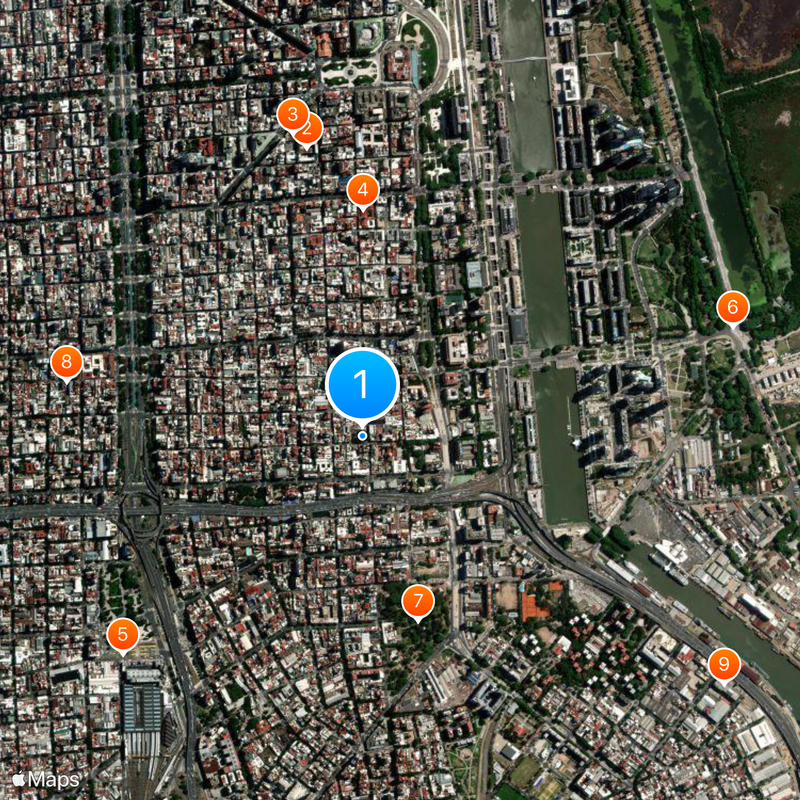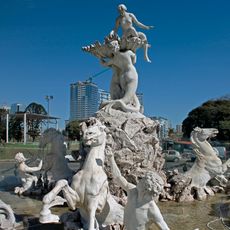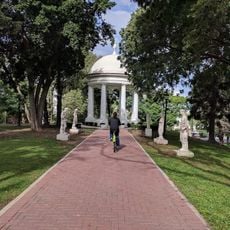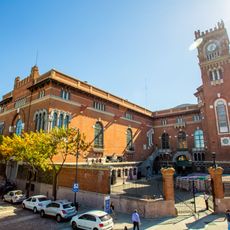
San Telmo, Administrative district in Buenos Aires, Argentina.
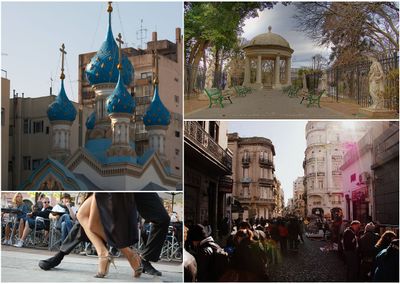
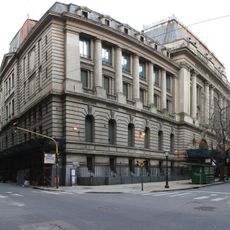
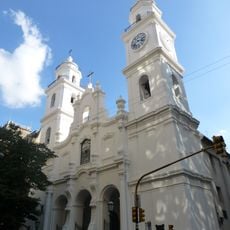
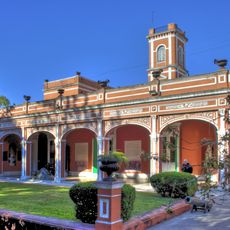
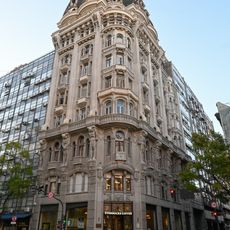
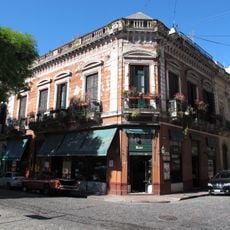
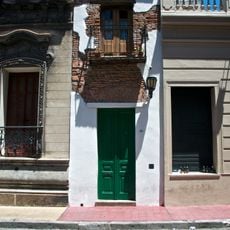
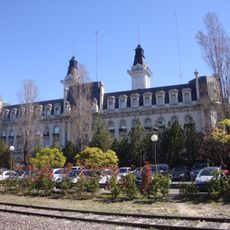
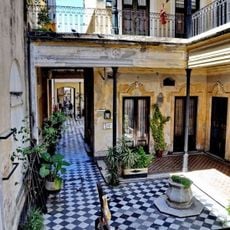
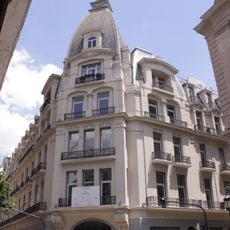
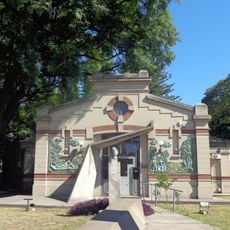
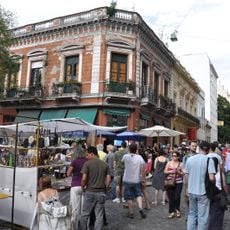
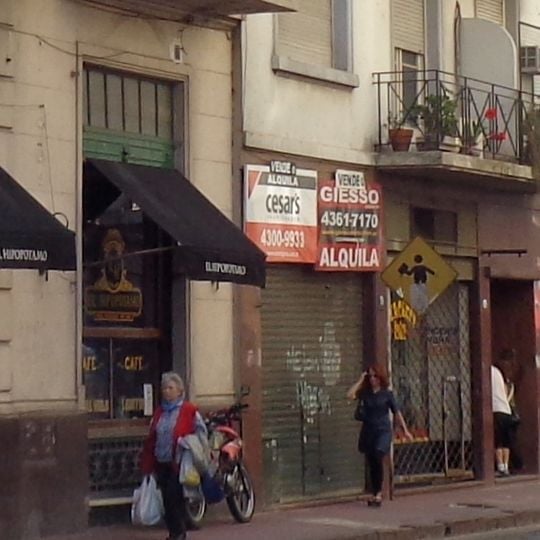
San Telmo forms a residential quarter in the southern center of the city, where short cobblestone streets run between low buildings from the 18th and 19th centuries, many of which house cafés, antique shops, and galleries. Cast-iron balconies and wooden doors mark many of the facades, while trees line the curbs to provide shade.
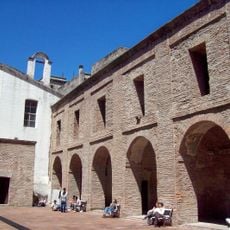
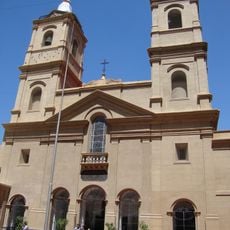
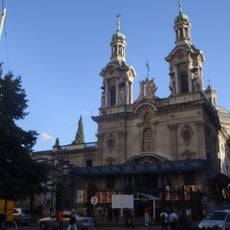
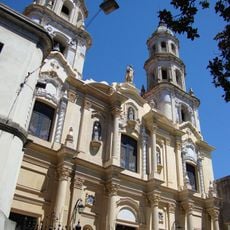
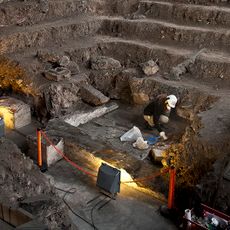
The area began as one of the first settlement zones of Buenos Aires in the late 16th century, with churches and plazas laid out around colonial homes. After the 1871 yellow fever epidemic, wealthy families moved north, and immigrant workers occupied the abandoned residences, turning them into conventillos.
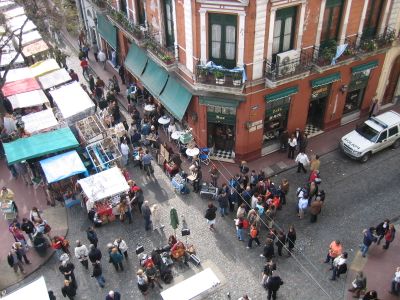
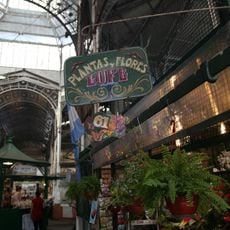
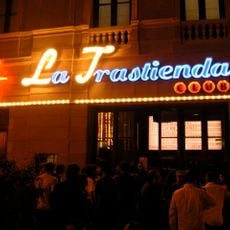
On Sunday mornings, Plaza Dorrego fills with sellers of old vinyl records, leather goods, and silver jewelry, while live tango dancers perform between the stalls. Cafés around the square open their windows, and onlookers applaud after each performance before moving among the displays.
Most shops and galleries open in the morning and remain accessible until early evening, while markets and street performances are most active on weekends. Cobblestone streets can be uneven, so comfortable footwear is advisable for walking extended distances through narrow passages and inclined sections.
On Calle San Lorenzo stands Casa Mínima, a dwelling only 2.2 meters (7 feet) wide, originally built for a freed slave. Visitors can walk through the narrow lot and see how rooms spread across multiple floors to make use of the limited space.
The community of curious travelers
AroundUs brings together thousands of curated places, local tips, and hidden gems, enriched daily by 90,792 contributors worldwide.