Rio Hondo Dam, hydroelectric power station in Argentina
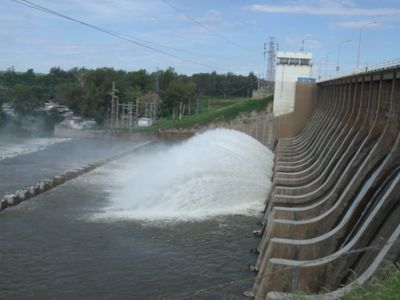
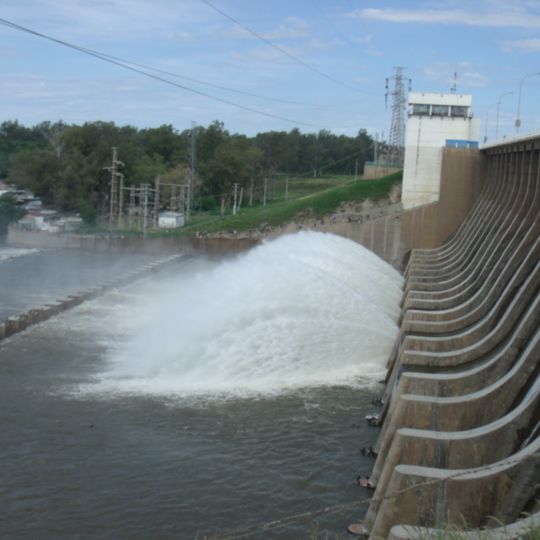
Rio Hondo Dam is a large water control structure in Santiago del Estero that spans over 4,300 meters, holding back the Dulce River with both earth and concrete sections. The structure rests on a clay foundation and includes turbines and valves in the concrete section on the right bank, with protective rock and gravel layers that shield against water pressure.
Construction began in the late 1950s and finished in the late 1960s, with the goal of preventing floods, supplying water for farming, and generating electricity for the region. This major project took years of planning and labor and became essential to local development and water management.
The dam is central to local livelihoods and community identity. Farmers depend on its water supply for irrigation, and the structure represents progress for the region. Local guides sometimes bring visitors to explain water management, making the site part of how people share their story of development and connection to the land.
You can walk along the embankments to see the protective rock and gravel layers, with the turbines visible under the spillways and water flowing audibly through the valves. The site is accessible from local roads, and while some areas are fenced for safety, a short walk offers views of the engineering work and nearby recreational spots.
Sediment buildup over the years has gradually reduced the water storage capacity, though scientists continuously monitor these changes to preserve function. This challenge shows how natural forces shape even major engineering works and highlights why ongoing maintenance is critical.
The community of curious travelers
AroundUs brings together thousands of curated places, local tips, and hidden gems, enriched daily by 60,000 contributors worldwide.