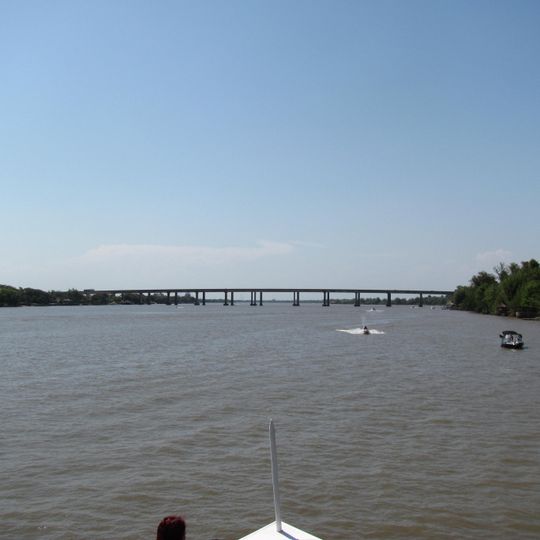
Jacuí River, River system in Rio Grande do Sul, Brazil
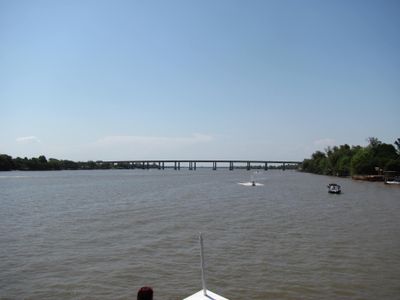
The Jacuí River is a river system in Rio Grande do Sul that flows through the state and joins with the Taquari, Caí, Sinos, and Gravataí rivers before reaching Porto Alegre. Barges move coal from the São Jerônimo basin and farm products from nearby areas along its waters.
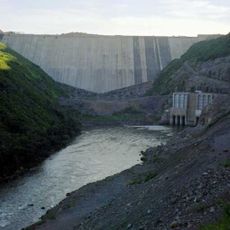
The river system gained its current importance in the 1970s when the Itaúba hydroelectric plant was built to meet growing energy needs in the region. This infrastructure expansion reshaped how the river served the state's economy.
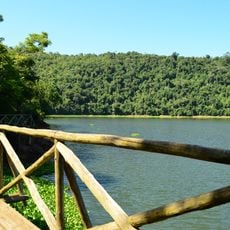
The river links farming communities and industrial centers, shaping daily life across the region as a vital transport route. People depend on it for economic activities and see it as a natural landmark that defines the landscape.
The river is navigable up to the town of Cachoeira do Sul, allowing larger vessels to move goods along its course. When planning to visit, keep in mind that water levels change with seasons and affect how easily boats can travel.
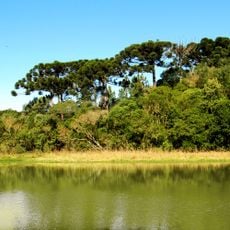
Near Porto Alegre, the river becomes a shallow estuary called Guaíba River and flows into the Patos Lagoon. This mouth area contains the Banhados do Delta Reserve, which serves as a refuge for wildlife.
The community of curious travelers
AroundUs brings together thousands of curated places, local tips, and hidden gems, enriched daily by 92,638 contributors worldwide.