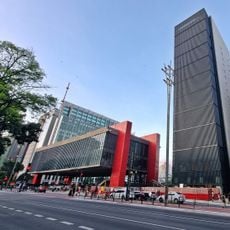
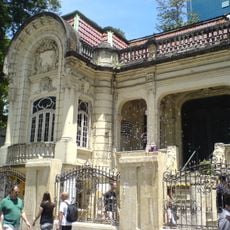
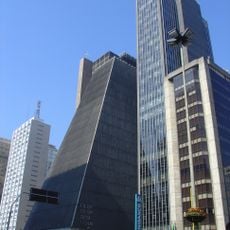
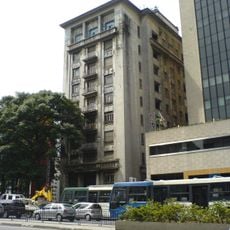
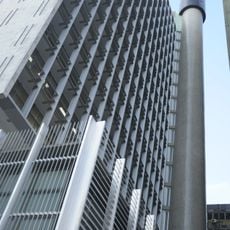
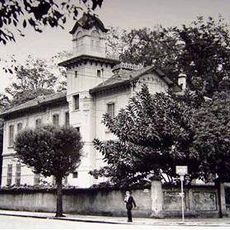
Trianon Park, Public park on Paulista Avenue, São Paulo, Brazil.
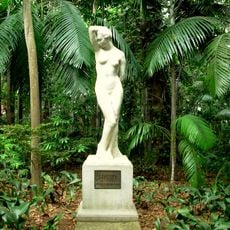
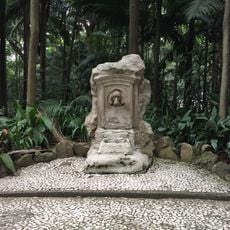
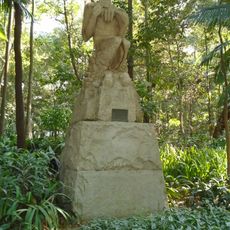
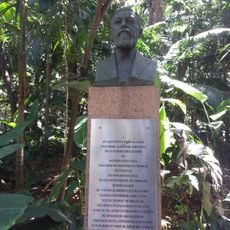
Trianon Park, officially Parque Tenente Siqueira Campos, covers 48,600 m² on Paulista Avenue. Its paths and trails are paved with Portuguese stones, and a 600-metre trail links the avenue to Alameda Santos. The park holds playgrounds, exercise equipment, restrooms and an administrative centre, plus the sculptures Fauno by Victor Brecheret and Aretusa by Francisco Leopoldo e Silva.
The park opened on 3 April 1892, a year after Paulista Avenue was inaugurated, on land bought by the city in 1911. In 1931 it was renamed for Lieutenant Antônio de Siqueira Campos, hero of the 1924 Tenentist revolt. From 1968, under mayor Faria Lima, landscaper Burle Marx and architect Clóvis Olga reshaped it; it is listed by CONDEPHAAT and CONPRESP.
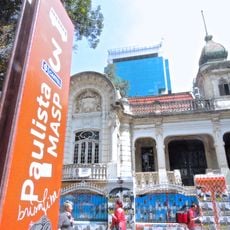
The name Trianon comes from a restaurant opened in 1916 by Italian brothers Vicente and Luigi Rosati in the Belvedere opposite the park, named after the Grand Trianon at Versailles. The Faun Trail, a 600-metre path linking Paulista Avenue to Alameda Santos, passes the sculpture Fauno by Victor Brecheret and Aretusa by Francisco Leopoldo e Silva.
The space has open pathways that are easy to navigate and accessible to people with different mobility levels. Visitors should come in the morning or early evening when the area is less crowded and light is softer.
The park's fauna has been catalogued despite its position on Paulista Avenue: 37 winged species, among them 28 birds such as the piriguari, tico-tico and sabiá-ferreiro, seven bats and two butterflies. Only arachnids and the chirping frog fall outside that count, and the green area is one of the few city spots where these animals can reproduce.
The community of curious travelers
AroundUs brings together thousands of curated places, local tips, and hidden gems, enriched daily by 93,861 contributors worldwide.