Sumidouro State Park, State park with limestone caves in northern Belo Horizonte metropolitan area, Brazil
Sumidouro State Park is a 2004-hectare protected area in the Belo Horizonte metropolitan region featuring limestone caves, natural springs, and sinkholes. Vegetation ranges from cerrado species to Atlantic Forest plants, creating diverse habitats throughout the landscape.
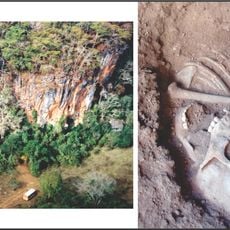
Danish naturalist Peter Wilhelm Lund conducted research in this area during the early 19th century and discovered human fossils and remains of extinct megafauna. His work established the region's importance for understanding prehistoric settlement and animal life.
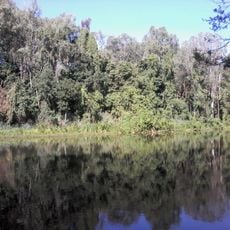
The name Sumidouro is Portuguese for "sink", after the lagoon drained by underground galleries through the limestone. The park lies in the Carste de Lagoa Santa area, where Peter Wilhelm Lund found remains of Lagoa Santa Man beside extinct megafauna; Charles Darwin cited this in On the Origin of Species.
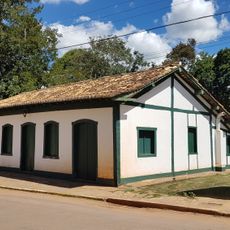
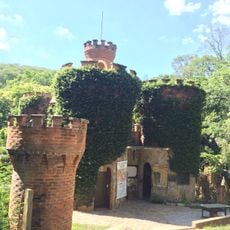
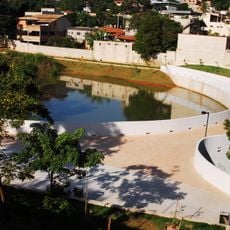
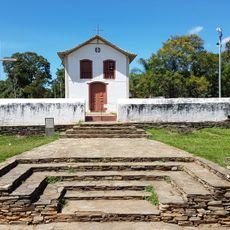
Since September 2008, access to the Lapa do Sumidouro and its rock paintings has been closed because of vandalism, and activities such as climbing, horse riding, hiking in the forest and use of the lagoon are no longer permitted. The Gruta da Lapinha and a lookout area by the Lagoa do Sumidouro remain open to visitors. The park is managed by the Instituto Estadual de Florestas (IEF) of Minas Gerais, and the temporary headquarters is at Casa Fernão Dias in the Quinta do Sumidouro settlement, Pedro Leopoldo.
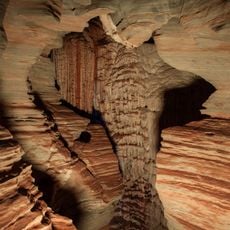
The park's name comes from its lagoon, Sumidouro, Portuguese for "sink": water drains through a network of galleries into the limestone basin. The cave Gruta da Lapinha is 511 metres long, and its calcareous formations date back 600 million years.
The community of curious travelers
AroundUs brings together thousands of curated places, local tips, and hidden gems, enriched daily by 92,947 contributors worldwide.