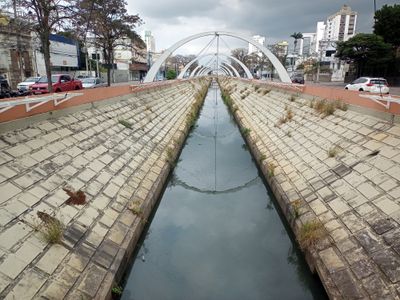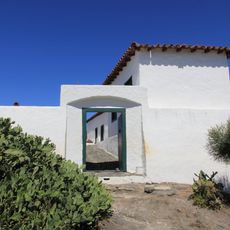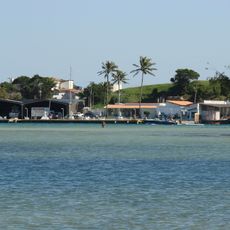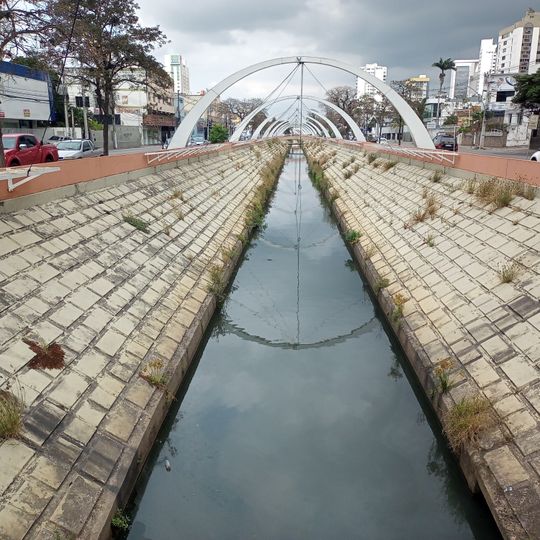
Canal Campos-Macaé, Historical waterway between Campos dos Goytacazes and Macaé, Brazil.
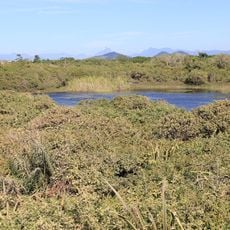
The Canal Campos-Macaé is an artificial waterway linking two river systems and stretching over 100 kilometers through Rio de Janeiro state. It serves mainly for irrigation and drainage in the region's agriculture and has an average width of about 20 meters.
Construction of the waterway took place between 1844 and 1861 as a major infrastructure project during Brazil's imperial period. Upon completion it became one of the world's longest artificial waterways and significantly boosted regional trade.
The waterway runs through lands that local farmers depend on for irrigation and water management in their daily work. Residents view it as a practical legacy from the past that shaped how their region developed economically.
Different sections of the waterway are easier to access than others, particularly where they still serve active irrigation functions. Visitors should be aware that sedimentation and vegetation growth affect conditions along parts of the route.
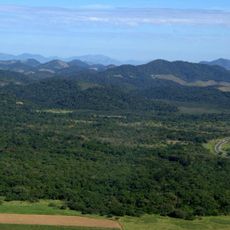
The waterway cuts through the Jurubatiba Sandbank National Park, where it intersects mangrove forests and supports varied ecosystems. This unusual blend of infrastructure within a protected natural area demonstrates how engineered structures coexist with conservation efforts.
The community of curious travelers
AroundUs brings together thousands of curated places, local tips, and hidden gems, enriched daily by 60,000 contributors worldwide.