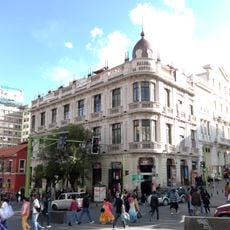
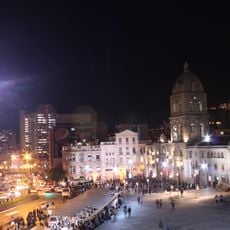
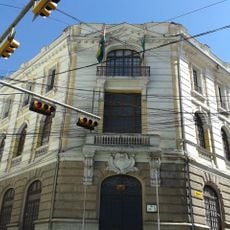
Plaza Murillo, square in La Paz, Bolivia
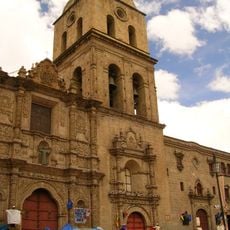
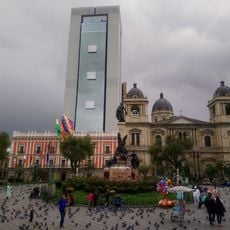
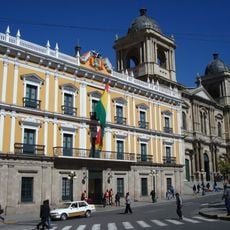
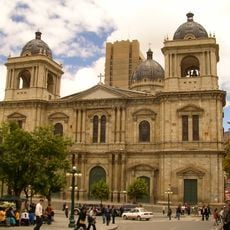
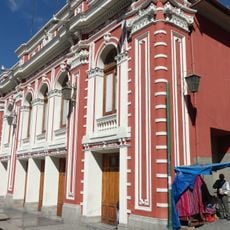
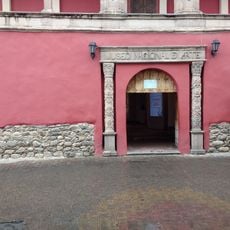
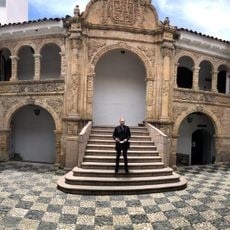
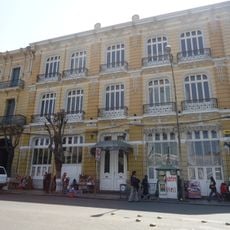
Plaza Murillo is the main square in La Paz and surrounded by the country's principal government buildings including the Palacio Quemado, Casa Grande del Pueblo, the legislative building, and the Cathedral of La Paz. The plaza sits in the Casco Viejo or old city district and is bounded by the streets Socabaya, Ayacucho, and Comercio.
Laid out in 1558 by Juan Gutiérrez Paniagua on the order of corregidor Ignacio de Aranda, the square was placed on the north bank of the Choqueyapu, opposite the earlier Spanish settlement. On 16 July 1809 Pedro Domingo Murillo and other revolutionaries seized the militia barracks and took the plaza; the leaders were hanged there on 29 January 1810. Renamed Plaza 16 de Julio in 1902, it became Plaza Murillo on 16 July 1909.
The square served as a meeting point for diverse groups including leaders, citizens, indigenous people, and mestizos who shared the space and exchanged their cultures. This mixture made it a lively social center where different communities gathered and connected with one another.
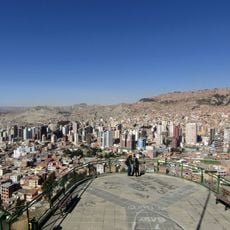
The square is centrally located in the old city and easily accessible on foot, with nearby streets like Socabaya and Ayacucho serving as reference points. The open space offers plenty of room for walking and sitting, and the area stays active throughout the day with visitors, locals, and market vendors.
The Murillo monument replaced a fountain inaugurated on 17 July 1855, carved by Feliciano Cantuta to a design by José María Núñez del Prado, which had a Neptune flanked by mermaids holding fish that spouted water. Only the Neptune figure was moved, reportedly to the Lourdes grotto. In 1946 President Gualberto Villarroel was hanged from a lamppost on the square.
The community of curious travelers
AroundUs brings together thousands of curated places, local tips, and hidden gems, enriched daily by 93,509 contributors worldwide.