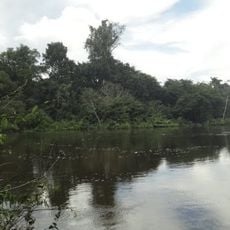
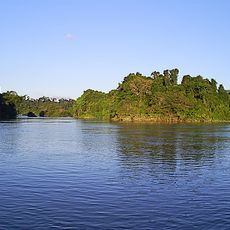
Tapajós hydroelectric complex, Hydroelectric complex in Pará, Brazil.
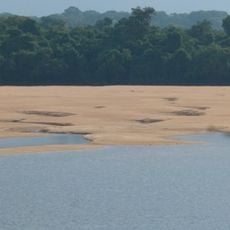
The Tapajós hydroelectric complex is a proposed group of five dams on the Tapajós and Jamanxim rivers in Pará, Brazil, with a planned installed capacity of 10,682 MW. The largest, São Luiz do Tapajós, would be a 7,608-metre-long, 53-metre-high dam with 38 Kaplan turbines and a 729-square-kilometre reservoir. Jatobá, upstream on the Tapajós, would add 40 bulb turbines, and three plants are planned on the Jamanxim.
Initial surveys for the complex began in the period from 1986 to 1991, with project planning resuming during the early 2000s. The development has experienced various governmental delays since then.
The Munduruku, whose territory the São Luiz do Tapajós reservoir would partly flood, held three biologists working in the area hostage in June 2013, halting environmental surveys. Work resumed that August after talks with indigenous leaders, who cited ILO Convention 169 to demand a say in decisions. The Boa Fé village would have to be relocated.
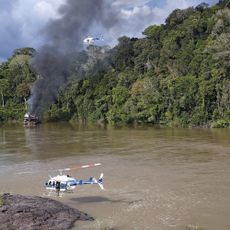
The complex is a proposal, not a built site, so there is nothing to visit; the five planned plants are on the Tapajós and Jamanxim rivers in Pará. Under the platform model, all personnel and material would travel by river or helicopter, with no access roads built. Environmental studies for the first two plants were suspended in June 2013 after Munduruku protesters held three biologists, then resumed in August 2013 after negotiations.
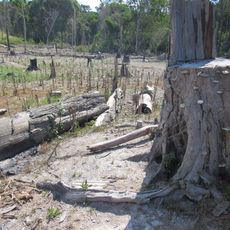
The platform model was developed in 2004–05 planning sessions attended by environment minister Carlos Minc. Under it, trees are cut only at the plant site and the ground is later regenerated; transport costs rise, but no access roads are built, so net costs may fall.
The community of curious travelers
AroundUs brings together thousands of curated places, local tips, and hidden gems, enriched daily by 93,666 contributors worldwide.