The City’s Fortification System, Portuguese fortification system in São Luís, Brazil
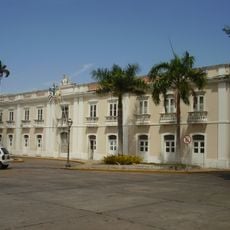
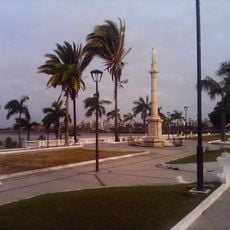
The City's Fortification System is a defensive complex with strategic walls, watchtowers, and artillery positions distributed along the coastline of São Luís. The layout was designed to protect the coastal settlement against seaborne attacks from multiple directions.
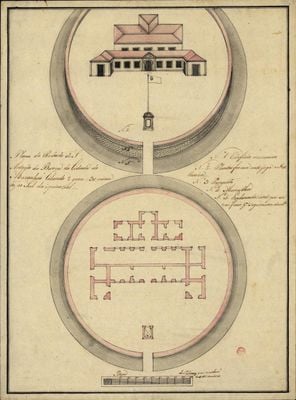
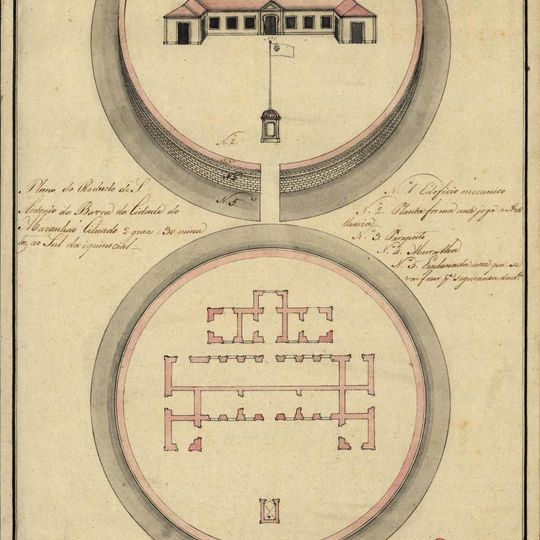
The first structure was a French wooden and earth work from the 1614 combats, called Fort di Sardine. On 1 November 1615 Alexandre de Moura landed nearby and built a timber stockade, the Forte da Sardinha, where the French signed their capitulation the next day. From 1691 Portuguese engineers under Captain Pedro de Azevedo Carneiro began a stone fort at Ponta de João Dias; sandy, waterlogged ground and the strong current repeatedly brought the walls down, and by 1716 the Crown ordered the arms removed.
The fort's name comes from Santo Antônio da Barra, and locals also call it Forte do Sardinha, after a man named Sardinha who directed its construction works. A 1689 letter from the São Luís town council mentions Indians being sent to Ponta de João Dias to work on the fort, and notes the works had stalled for lack of labour.
Visitors can explore the fortification system on foot, viewing the walls, towers, and positions from the ground level. It helps to arrive early to enjoy the best views of the coastal defenses and the surrounding city landscape.
The fort was originally a French wooden-and-earth structure called Fort di Sardine, built during the 1614 fighting. In 1615 Alexandre de Moura landed nearby and raised a timber stockade, also named Forte da Sardinha, where the French signed their capitulation the next day. The name may come from Sardinha, a supervisor of the later works.
The community of curious travelers
AroundUs brings together thousands of curated places, local tips, and hidden gems, enriched daily by 94,347 contributors worldwide.