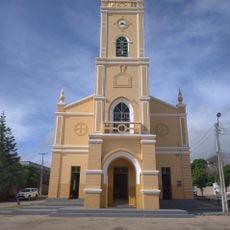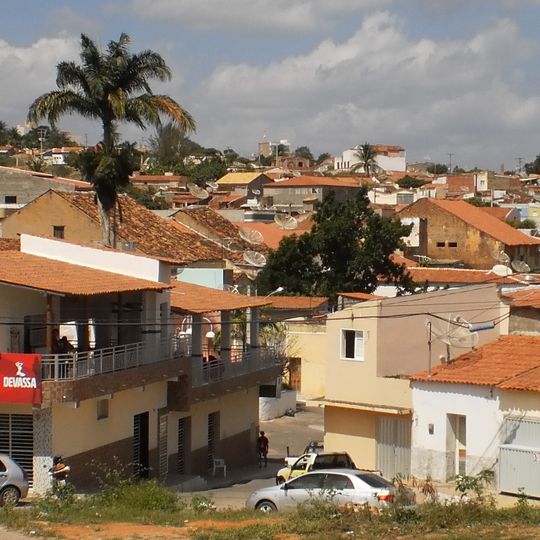
São Miguel, municipality in Rio Grande do Norte, Brazil
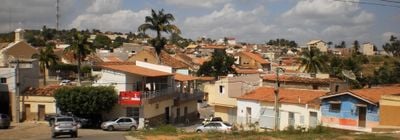
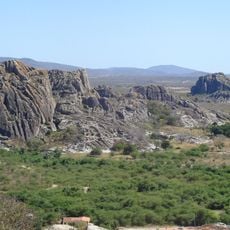
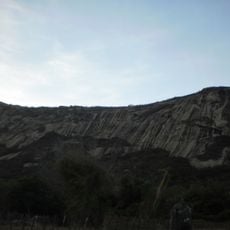
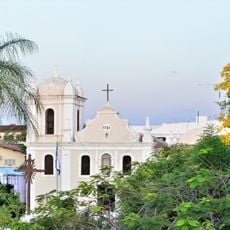
São Miguel is a municipality in Rio Grande do Norte located in the Alto Oeste Potiguar region inland from the state capital. The city spans approximately 166 square kilometers on terrain ranging between 400 and 800 meters elevation, characterized by rolling hills, mountain ridges, and predominantly caatinga vegetation that sheds leaves during dry seasons.
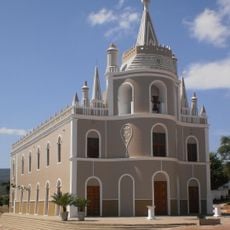
The settlement was founded in 1750 when a Portuguese man named Manoel José de Carvalho arrived from Icó in Ceará and discovered a lagoon he named after his patron saint. It was officially established as a village in 1875 and became a city in 1876 after gaining independence from Pau dos Ferros municipality.
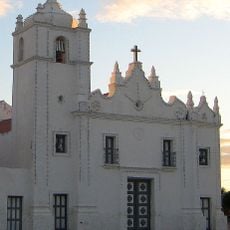
The city is defined primarily by its agricultural character, particularly corn cultivation, which shapes economic and social life. The local population maintains strong traditions including viola music, clay and leather crafts, and religious celebrations such as the São João festival with quadrilhas and traditional dances.
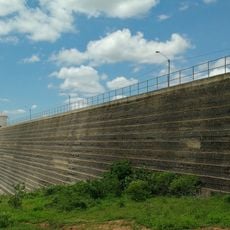
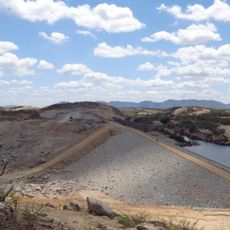
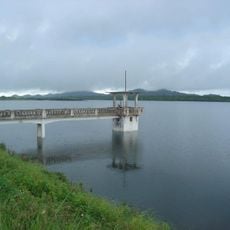
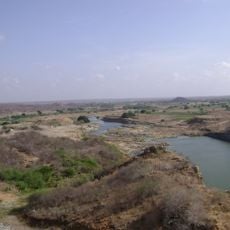
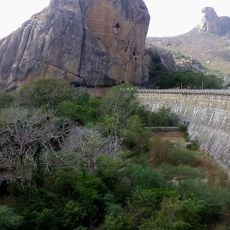
The city is accessible via highway RN-177, which connects to other municipalities and the neighboring state of Ceará. The terrain surrounding the city, including Açude do Bonito and Açude do Jacó, offers opportunities for boat rides, fishing, and nature activities in a semi-arid environment.
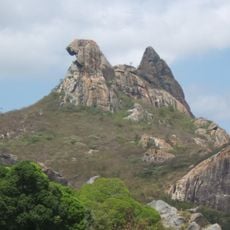
The city is the largest corn producer in Rio Grande do Norte state and thus defined by agriculture. Serrote Verde offers panoramic views from above across the entire city and surrounding mountain ridges, especially striking at sunrise and sunset.
The community of curious travelers
AroundUs brings together thousands of curated places, local tips, and hidden gems, enriched daily by 92,496 contributors worldwide.