Marakele National Park, National park in Limpopo, South Africa
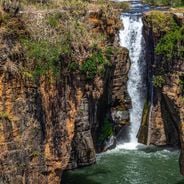
Marakele National Park is a large conservation area in the foothills of the Waterberg Mountains where mountainous terrain, savannas, and wetlands meet. The highest points in the park reach above 1,300 meters and provide changing habitats for different wildlife species.
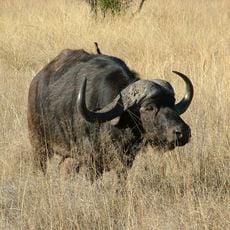
The park was founded as Kransberg National Park in 1994 with the purchase of 150 square kilometres, and was renamed Marakele shortly afterwards. By 1999 it had grown to 670 square kilometres. In 1999 part of the so-called Tuli elephants was released here amid wide media coverage, and 20 disease-free buffalo followed on 15 October 2013. The area had earlier held Iron Age settlements, not open to visitors, and was home to the naturalist Eugène Marais.
The park's name comes from the Tswana language. The camp names were chosen through a survey of local residents: Bontle means "beautiful" in Tswana, and Tlopi derives from Motlopi, the Tswana name for the witgat tree (Boscia albitrunca), which grows along the dam's banks.
The reserve is best visited during the dry season when roads are passable and wildlife sightings are more frequent. Visitors should prepare for varying elevations and bring adequate water and proper footwear for hiking.
The cliff colony of Cape vultures holds around 800 breeding pairs, the largest such colony in the world. The birds nest on the crags of the Waterberg massif, which a tarred mountain pass climbs, so the colony can be looked down on from the road. The park also runs an annual birding census with its honorary rangers.
The community of curious travelers
AroundUs brings together thousands of curated places, local tips, and hidden gems, enriched daily by 94,716 contributors worldwide.