Bangweulu Wetlands, Protected wetland system in Luapula Province, Zambia
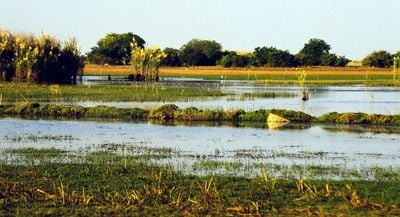
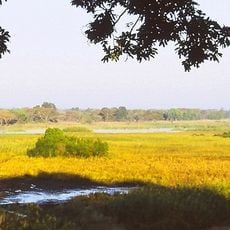
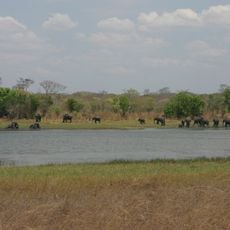
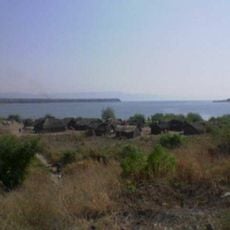
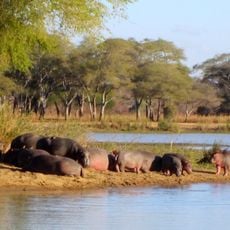
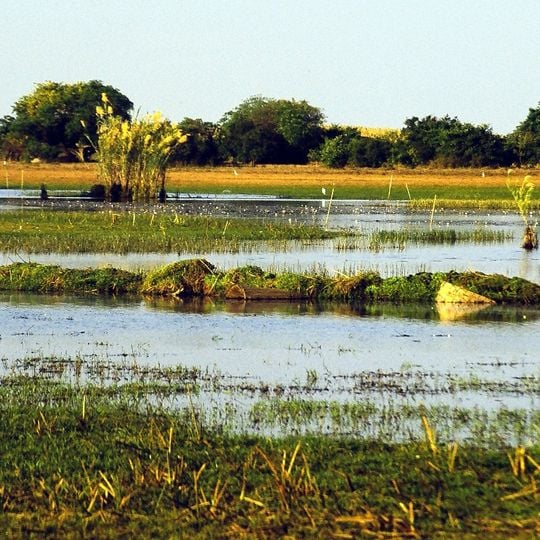
Bangweulu Wetlands is a large swamp system in Luapula Province, Zambia, made up of floodplains, marshes, and grasslands that flood seasonally. Multiple rivers feed into it, creating a shifting network of waterways, vegetated islands, and open channels that change shape depending on the season.
The area was first scientifically documented in the 1940s, which eventually led to its designation as a Ramsar site and an Important Bird Area by BirdLife International. That formal recognition brought the wetland under international protection and shaped the conservation work that continues today.
Local fishermen move through the waterways daily in small boats, using methods passed down over generations that reflect a close knowledge of the water and its rhythms. In nearby villages, beekeepers harvest honey from hives placed along the edge of the wetland.
A visit is most comfortable between May and October, when water levels drop enough to move through the area safely by local boat. Access is through the settlement of Chiengi, and travelers should come prepared for remote conditions with few services available.
The wetland is one of the few places in the world where the shoebill stork can be seen with some regularity, a large bird with a broad, box-shaped bill that is rarely found outside central African swamps. It shares this territory with tens of thousands of black lechwe, a semi-aquatic antelope found almost nowhere else.
The community of curious travelers
AroundUs brings together thousands of curated places, local tips, and hidden gems, enriched daily by 91,631 contributors worldwide.