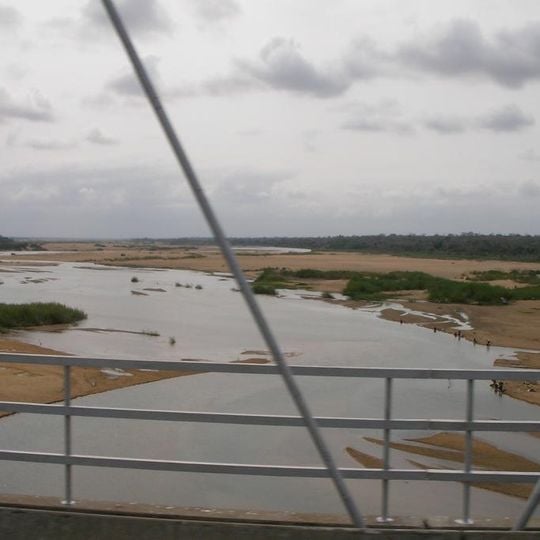
Save River, Major river system in southeastern Mozambique
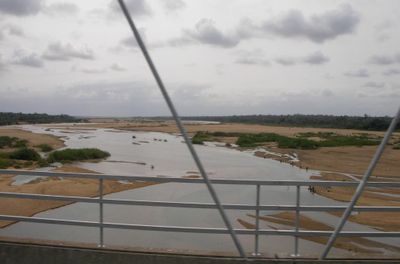
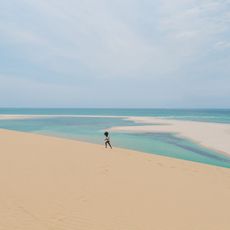
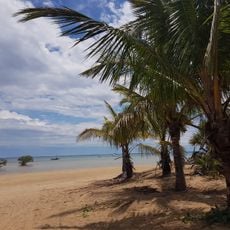
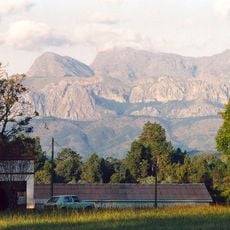
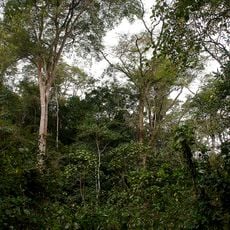
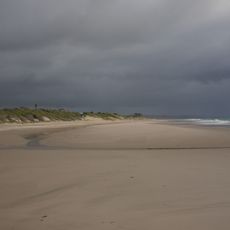
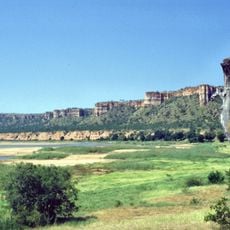
The Save River is a river in southeastern Mozambique that rises in Zimbabwe and empties into the Indian Ocean. It crosses forests and farmland before widening into a mangrove delta at its mouth.
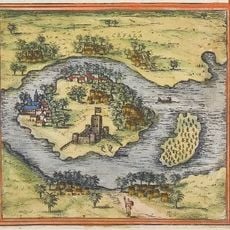
Between the 13th and 14th centuries, the river served as a key trade route for the Great Zimbabwe kingdom, allowing merchants to move gold and other goods toward the coast. This role connected the interior of southern Africa to the Indian Ocean trade networks.
The Save River forms a natural boundary between the provinces of Sofala and Inhambane, shaping how local communities identify with their region. Along its banks, fishing villages and farmland sit side by side, reflecting how closely people here depend on the water.
The river runs through a remote area, so planning your route in advance is a good idea before setting out. Water levels change noticeably between the dry and wet seasons, which affects how different parts of the river look and can be accessed.
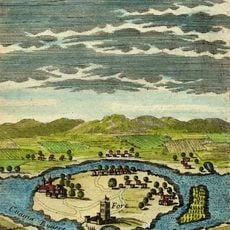
The name Save is believed to come from a local word simply meaning river, which points to how central it was to life in the area. In its lower section near the coast, the river once allowed small boats to navigate inland, making it a practical link between the sea and the interior.
The community of curious travelers
AroundUs brings together thousands of curated places, local tips, and hidden gems, enriched daily by 92,654 contributors worldwide.