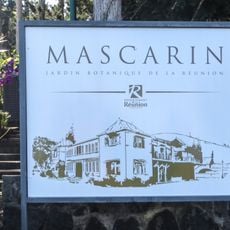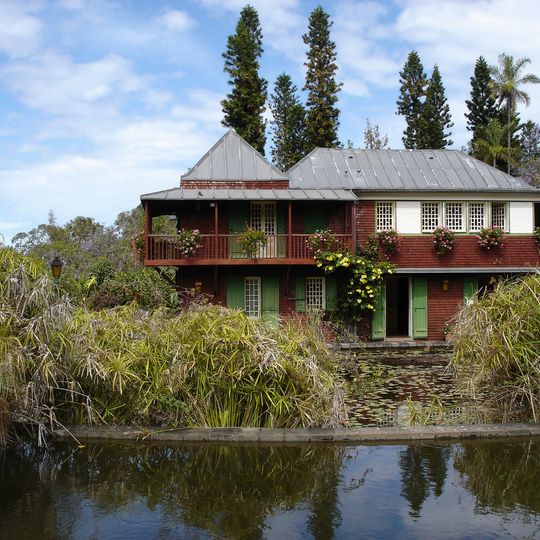
Conservatoire botanique national de Mascarin, Botanical conservatory in Saint-Leu, Réunion, France.
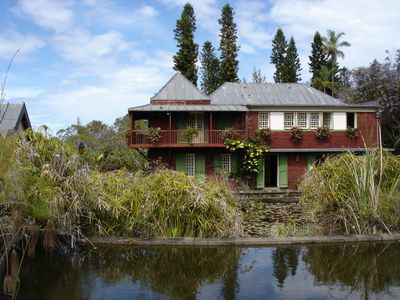
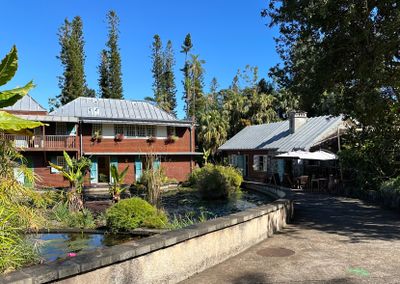
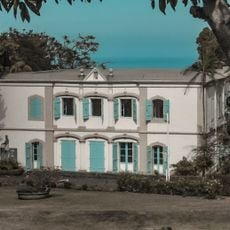
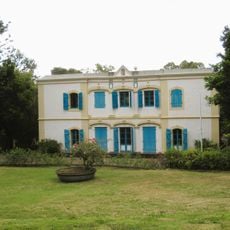
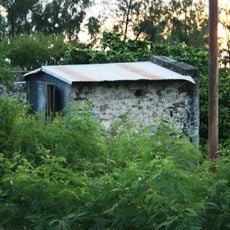
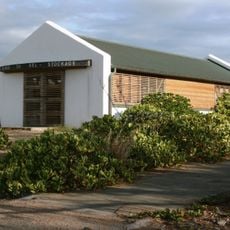
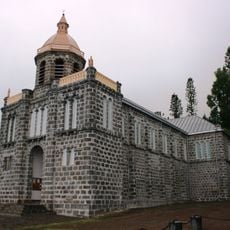
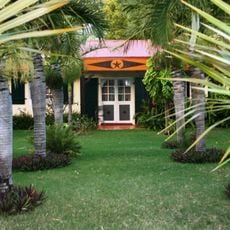
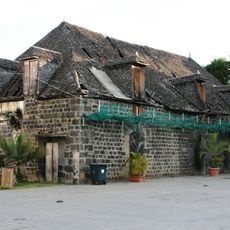
The Conservatoire botanique national de Mascarin occupies a 12.5-hectare former agricultural estate at Colimaçons, Saint-Leu, at an elevation of 500 metres. Its two-storey building has a red-brown facade, a grey metal roof with a triangular gable, a first-floor balcony with dark wooden railing reached by an exterior staircase, and green doors and windows below; the stone entrance block is inscribed "CONSERVATOIRE BOTANIQUE NATIONAL DE MASCARIN". The garden covers 3 hectares and is divided into seven sections, including Réunion indigenous flora, Lontan plants, an orchard, succulents, palms, orchids and a bamboo ravine.
The conservatory was established in 1986 as the Conservatoire et Jardin Botanique de Mascarin, on farmland belonging to the family of the Marquis Antoine Sosthène Armand de Châteauvieux, at an elevation of 500 metres on the leeward side of Réunion. It was created on the initiative of botanists including Thérésien Cadet, together with politicians. In 1993 it received the national agrément as one of France's eight Conservatoires Botaniques Nationaux, renewed every five years; in 1996 its focus shifted from garden conservation and propagation of rare endemic plants to managing and monitoring species in their natural habitats. In 2007 the agrément was extended to Mayotte and the Îles Éparses.
The garden is laid out in seven sections, among them a "Lontan plants" collection of crops once grown on the island, including coffee, spices, sugar cane and geraniums, plus an orchard of more than 50 fruit species. The conservatory also keeps herbaria of Mayotte and the Scattered Islands for studying Indian Ocean flora.
Visiting works best during daytime when plants and walking paths are clearly visible. It helps to wear comfortable shoes since the grounds are hilly and some paths have slopes.
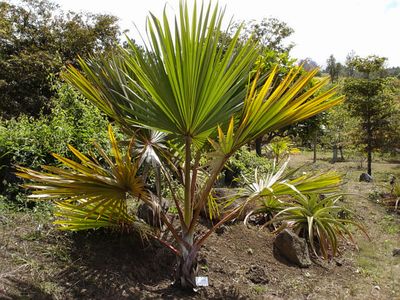
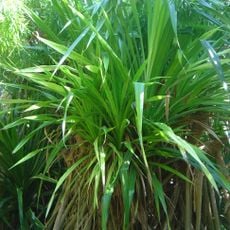
The garden's palm section holds the red latanier (Latania lontaroides), a palm endemic to Réunion. The grounds are also considered the most important site likely to shelter Salamis augustina, a very rare and threatened butterfly. Look for the young fan-leaved latanier in the beds.
The community of curious travelers
AroundUs brings together thousands of curated places, local tips, and hidden gems, enriched daily by 94,545 contributors worldwide.