Kariandusi prehistoric site, Archaeological site in Nakuru County, Kenya.
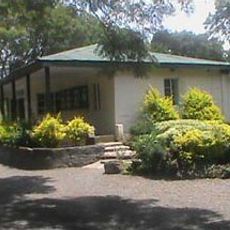
Kariandusi is an archaeological site in Nakuru County where numerous stone artifacts and fossils have been uncovered near Lake Elmenteita on the southeastern edge of the Great Rift Valley. The location includes a museum operated by the National Museums of Kenya, along with nature trails and guided tours that explain these discoveries.
Dr. Louis Leakey discovered this location in 1928, finding stone tools dating back roughly one million years to the Lower Paleolithic period. These discoveries established the site as an important record of human activity during the earliest phases of tool-making in East Africa.
The stone tools found here reveal how early people made and used simple implements to survive and work in this region. Visitors can see these artifacts and understand the daily skills of those who lived here long ago.
The site is accessible to visitors who can explore both the museum exhibits and the nature trails at their own pace. Wear comfortable shoes as the paths can be uneven, and bring sun protection since the area is exposed with little shade.
Among the hand axes found here, researchers noticed signs of both left and right-handed tool use, revealing that handedness was already present in humans one million years ago. This discovery offers a rare window into the biological traits of our earliest ancestors.
The community of curious travelers
AroundUs brings together thousands of curated places, local tips, and hidden gems, enriched daily by 90,760 contributors worldwide.