Hyrax Hill Prehistoric Site and Museum, Prehistoric museum and archaeological site in Nakuru, Kenya.
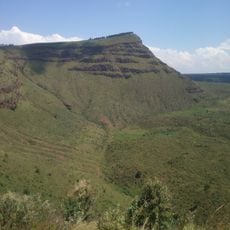
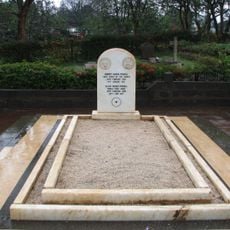
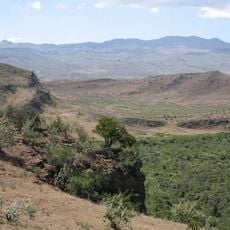
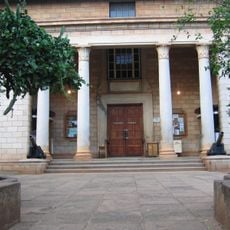
Hyrax Hill Prehistoric Site and Museum is a national monument of Kenya set on a rocky hill just outside Nakuru, where excavation areas and a small on-site museum stand side by side. The hill holds remains of settlements and burial sites spanning from the Neolithic period through the Iron Age.
The site was first excavated in the 1930s by archaeologist Mary Leakey, who uncovered burial sites and ancient dwelling structures. Her work established that the hill had been occupied by several distinct groups across many centuries.
The hill's name comes from the hyraxes that lived in its rock openings. The museum displays about 400 objects, including carved masks and wooden statues made by the Musas between 1970 and 2000, plus musical instruments, hunting gear, metalwork, bamboo objects and pottery. The west chamber holds ethnographic material, the east natural history objects.
The paths on the hill are uneven and steep in places, so sturdy footwear makes the visit much easier. Going in the morning tends to be cooler and less crowded, which helps when exploring the open excavation areas.
The hill takes its name from the hyrax colonies that live among its rocks and are regularly spotted near the excavation areas. Despite looking like large rodents, hyraxes are more closely related to elephants than to any rodent.
The community of curious travelers
AroundUs brings together thousands of curated places, local tips, and hidden gems, enriched daily by 94,171 contributors worldwide.