Lake Nakuru National Park, National park and Ramsar wetland site in Great Rift Valley, Kenya.
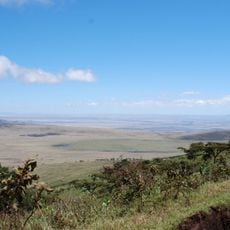
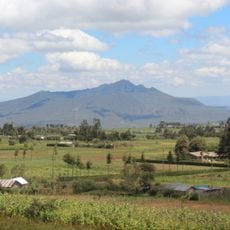
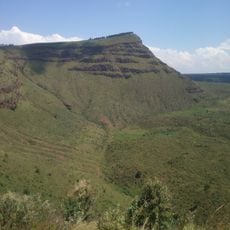
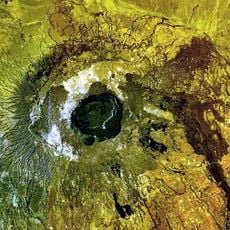
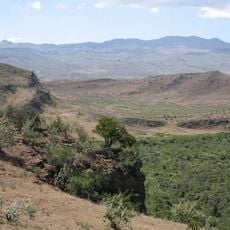
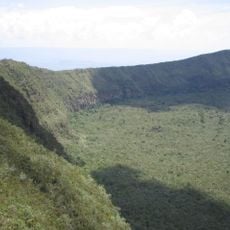
Lake Nakuru National Park covers 188 km² around a shallow alkaline lake in the Great Rift Valley, about 140 km northwest of Nairobi. The lake is ringed by grasslands and woodland, and on its eastern shore grows Africa's largest pure stand of tree euphorbia (Euphorbia candelabrum). The Menengai volcano rises to 2,300 m above sea level within the park's area.
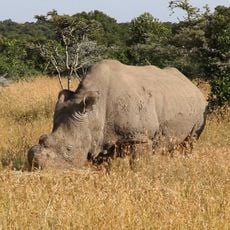
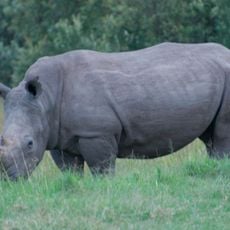
The colonial government declared the southern two-thirds of today's park a bird sanctuary in 1961. In 1967, under the new black African government, it became Africa's first national park created specifically for bird protection. The park was extended to cover the whole lake and surrounding land in 1969, reaching its current 188 km². Rhinos were later brought in from across Kenya to establish a sanctuary.
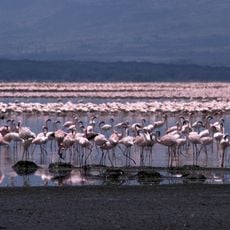
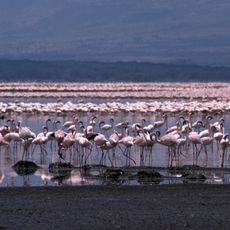
The name Nakuru comes from the Maasai word for a dusty place, describing the dry land around the lake. The park is a Ramsar wetland and a tentative World Heritage Site, and its fame rests on the flamingos that gather on the shallow lake to feed on blue-green algae. Visitors today see the birds' nests with eggs or chicks during the breeding season.
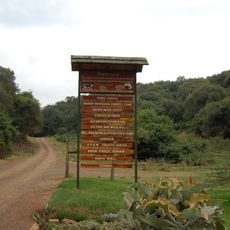
The park can be entered from three different gates, each with different fee structures for visitors. It is wise to check current conditions before planning your visit.
The lake's alkaline waters allow algae to grow abundantly, which flamingos feed on as their primary food source. These special conditions make the park a prime location for observing these pink birds.
The community of curious travelers
AroundUs brings together thousands of curated places, local tips, and hidden gems, enriched daily by 93,112 contributors worldwide.