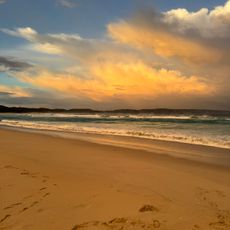
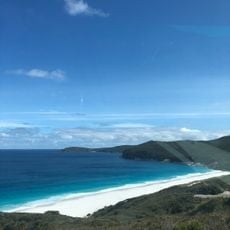
West Cape Howe National Park, Nature reserve in Albany, Australia
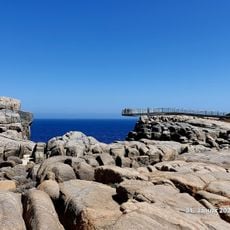
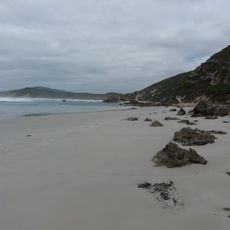
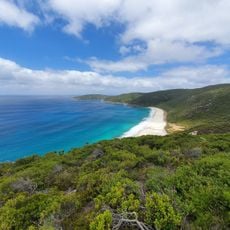
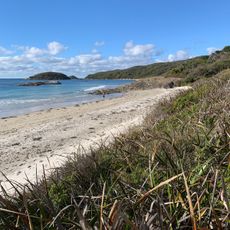
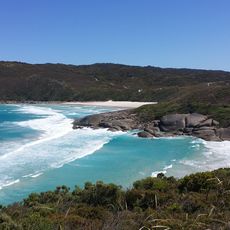
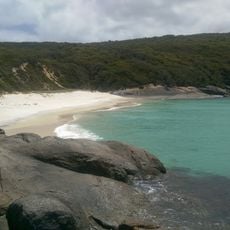
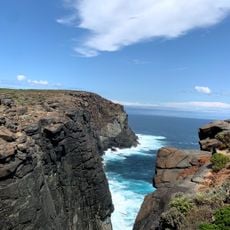
West Cape Howe National Park covers 3,517 hectares between Lowlands Beach and Forsythe Bluff, along roughly 23 km of Southern Ocean coastline 30 km west of Albany. It holds karri, jarrah and marri forest, banksia scrub and heath, plus granite cliffs near Shelley Beach used by climbers and hang-gliders. Torbay Head, the mainland's most southerly point in Western Australia, lies within the park.
The area became protected as a C Class Reserve in 1985 and gained A Class status in 1987 when roughly 41 hectares of former timber reserve were added. This official protection upgrade reflected growing recognition of the region's ecological importance.
The park lies in the traditional country of the Menang people, whose name for the southern coastline is recorded in the region's place names. Torbay Head, the southernmost point of mainland Western Australia, sits within the park and is reached by a 15 km return spur trail off the Bibbulmun Track. The park's granite cliffs near Shelley Beach are used today by rock climbers and hang-gliders.
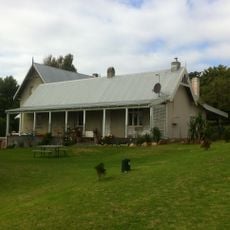
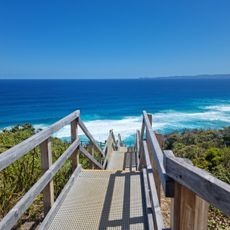
Only four-wheel-drive vehicles can reach most of the park because many tracks are sandy; all vehicles can reach Shelley Beach, which has a campground, lookout, toilet and barbecue facilities used by hang-gliders. The Bibbulmun Track crosses the park, with a 15 km return spur to Torbay Head and a boardwalk section. A walkers' shelter, the West Cape Howe Campsite, sleeps 12 to 15 in the west.
A 2008 field study uncovered populations of the rare Main's assassin spider, which now holds protected status in the park. This tiny species tucks into cracks in the limestone cliffs and appears only under certain conditions.
The community of curious travelers
AroundUs brings together thousands of curated places, local tips, and hidden gems, enriched daily by 94,132 contributors worldwide.