Marree Subgroup, Geological formation in South Australia.
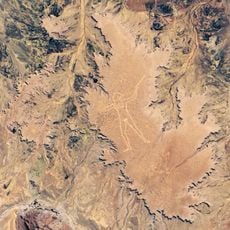
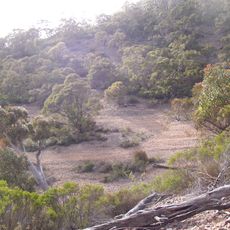
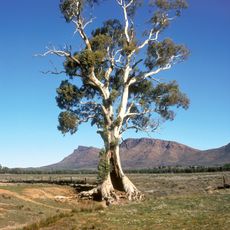
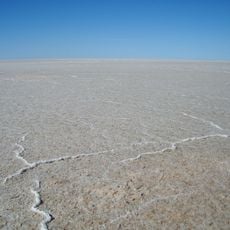
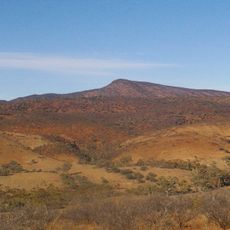
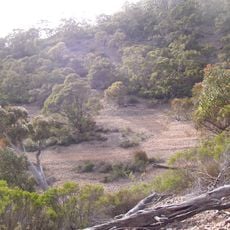
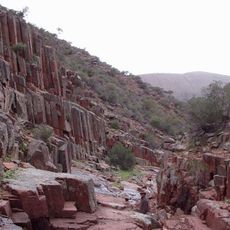
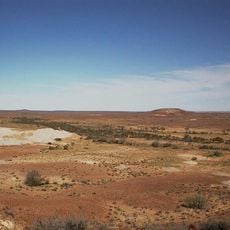
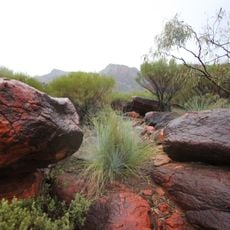
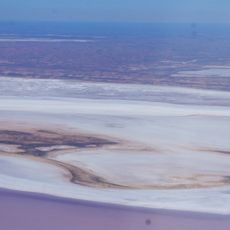
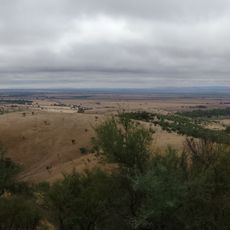
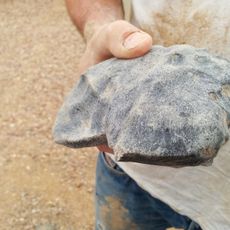
The Marree Subgroup is a geological formation in South Australia composed of alternating layers of sandstone, siltstone, and claystone. These rock layers formed during the Early Cretaceous period and form part of the larger Eromanga Basin system.
The formation was first scientifically documented in 1966 by Forbes, establishing its importance for understanding Great Artesian Basin stratigraphy. This mapping opened the way for continued geological research in the region.
The formation area intersects with traditional Aboriginal lands, where geological knowledge combines with Indigenous understanding of the terrain.
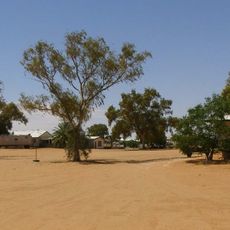
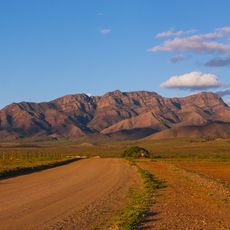
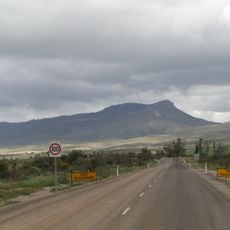
The formation is accessible through established road networks connecting nearby towns, making visits straightforward. Travelers should prepare for varying ground conditions depending on the season and recent weather.
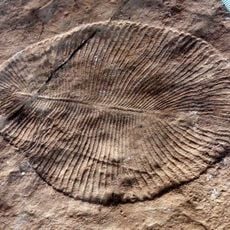
The formation is known for fossil discoveries including an opalised plesiosaur skeleton and remains of the early dinosaur species Kakuru kujani. These finds offer glimpses into Cretaceous life in this region.
The community of curious travelers
AroundUs brings together thousands of curated places, local tips, and hidden gems, enriched daily by 92,467 contributors worldwide.