Kati Thanda-Lake Eyre National Park, Nature reserve in South Australia, Australia
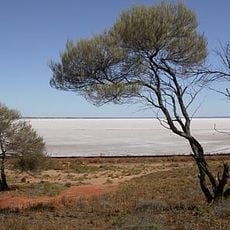
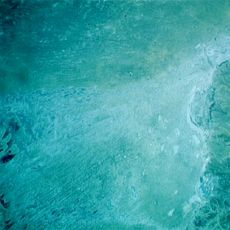
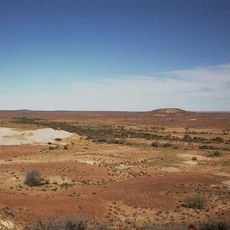
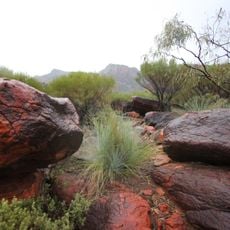
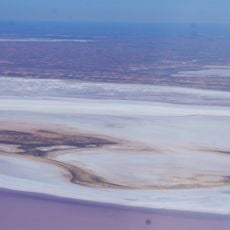
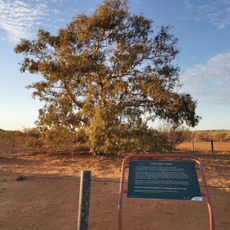
Kati Thanda-Lake Eyre National Park is a protected area in South Australia, 697 km north of Adelaide, containing both the north and south sections of Kati Thanda-Lake Eyre and parts of the Tirari Desert. The lake is the nation's largest salt lake and the mainland's lowest point, usually dry with a white salt crust. The park almost encloses Elliot Price Conservation Park, covering the Hunt Peninsula and Brooks Island.
The park was established in 1985 and officially renamed in 2013 to honor the Arabana traditional name for the area. This renaming was part of a broader recognition of the long connection between the Arabana people and this land.
The name Kati Thanda comes from the Arabana language and means big lake. The Arabana people are actively involved in managing the park and bring their traditional knowledge into how the land is cared for today.
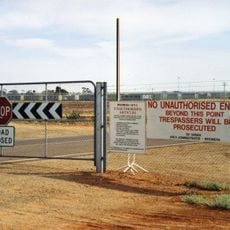
Vehicle access to the park is limited, and a four-wheel drive is needed for the remote terrain. The 2025 management plan added restrictions after more than 230 public responses, citing damage to the fragile salt crust and the risk of visitors becoming disoriented in the lake's middle, where there is no mobile phone coverage.
The park almost encloses Elliot Price Conservation Park, which covers the Hunt Peninsula and Brooks Island around the lake's northern section. It was named after Elliot Price of the nearby Muloorina Station and was South Australia's first arid zone conservation zone.
The community of curious travelers
AroundUs brings together thousands of curated places, local tips, and hidden gems, enriched daily by 94,390 contributors worldwide.