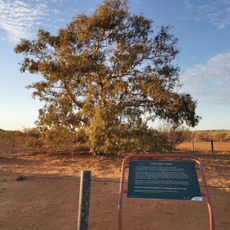
Lake Eyre basin, Endorheic basin in central Australia.
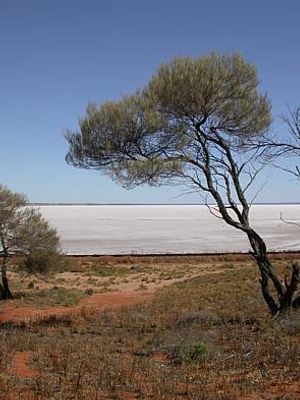
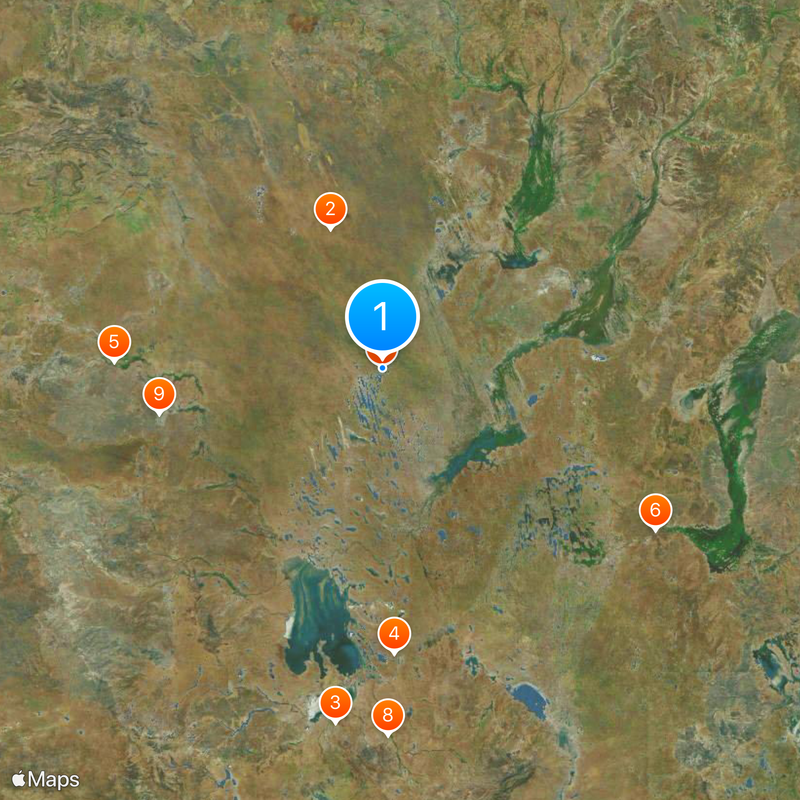
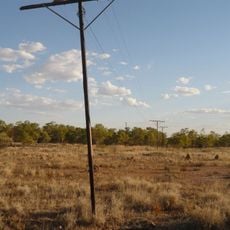
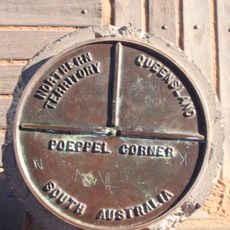
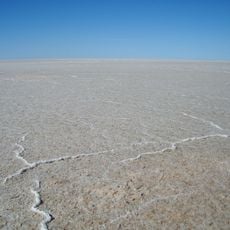
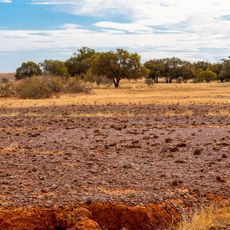
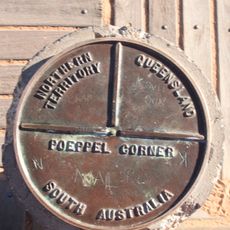
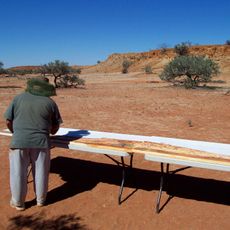
Lake Eyre Basin is a vast endorheic basin covering just under one-sixth of Australia, spanning inland Queensland, South Australia, the Northern Territory and western New South Wales. Its flat, arid plains are crossed by usually dry rivers such as Cooper Creek, Georgina and Diamantina, which drain south to Kati Thanda–Lake Eyre, 16 metres below sea level. The basin's salt crust appears as a pale grey and white expanse bordered by reddish-brown earth.
The basin formed roughly 60 million years ago when the southeastern region began sinking, allowing rivers to deposit sediment over time. Since then, the area has been shaped by extreme drought and rainfall cycles that continually transform its appearance.
Indigenous peoples, particularly the Wangkangurru, have lived here for thousands of years and understand the land's cycles intimately. Their knowledge shapes how visitors and communities connect with this vast region today.
The area is extremely remote and requires careful preparation before visiting, particularly during dry seasons when salt flats spread widely. A four-wheel-drive vehicle and substantial supplies are essential for navigating the harsh conditions safely.
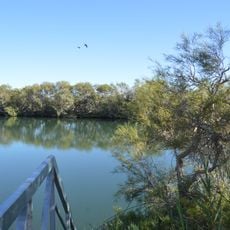
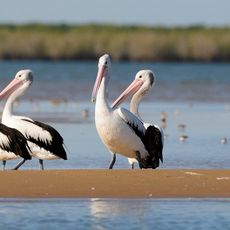
The basin's rivers are dry for long periods, yet a flood can revive dormant marine creatures and draw large flocks of waterfowl to breed before the water evaporates. Its annual mean runoff is the lowest of any major drainage basin in the world.
The community of curious travelers
AroundUs brings together thousands of curated places, local tips, and hidden gems, enriched daily by 94,021 contributors worldwide.