Gibson Desert Nature Reserve, Nature reserve in Western Australia, Australia.
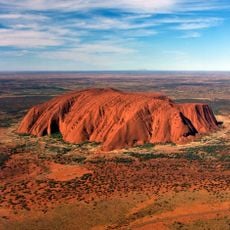
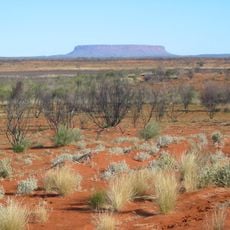
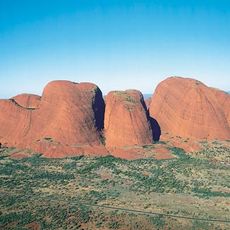
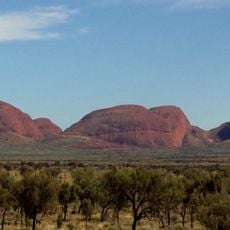
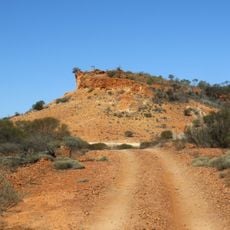
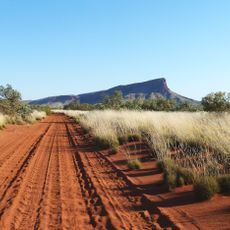
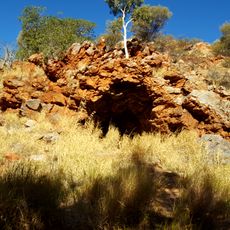
Gibson Desert Nature Reserve covers 18,900 km2 of the Gibson Desert in central Western Australia, from sand dunes and plains to stony mesaform hills and undulating laterite plains. Spinifex dominates the vegetation, interspersed with low shrubs and trees. The red sand plains and pebble-strewn hills shelter reptiles such as yellow and brown striped snakes and the thorny devil.
European explorer Ernest Giles crossed the area in 1874 as one of the first, naming the desert after his companion Alfred Gibson who perished there. This early expedition marked the first documented European exploration of this remote region.
In 2020 the Western Australian Government and the Gibson Desert People agreed to rename the reserve Pila Reserve, with management shared between the traditional owners and the Department of Biodiversity, Conservation and Attractions. The name Pila is the one to look for in current signage and documents.
Access requires four-wheel drive vehicles since roads are unpaved and demanding. Visitors should carry large water supplies and prepare for extreme heat, particularly during warmer months.
The reserve's reptiles include the thorny devil, a lizard that puffs up when threatened, alongside yellow and brown striped snakes. The dominant spinifex grass shelters these animals across the sand dunes, plains and stony hills.
The community of curious travelers
AroundUs brings together thousands of curated places, local tips, and hidden gems, enriched daily by 94,114 contributors worldwide.