Wolfe Creek Crater

Log in to your account

AroundUs is a community-driven map of interesting places, built by curious explorers like you. It grows with every review, story, and photo you share.
Connect to save your favorite spots, contribute locations, and create personalized routes.
By continuing, you accept our Terms and Conditions and our Privacy Policy

Wolfe Creek Crater

Add to collection
Map
Suggest a change
Share

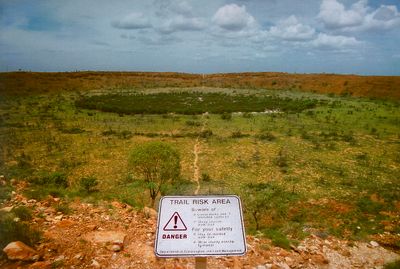
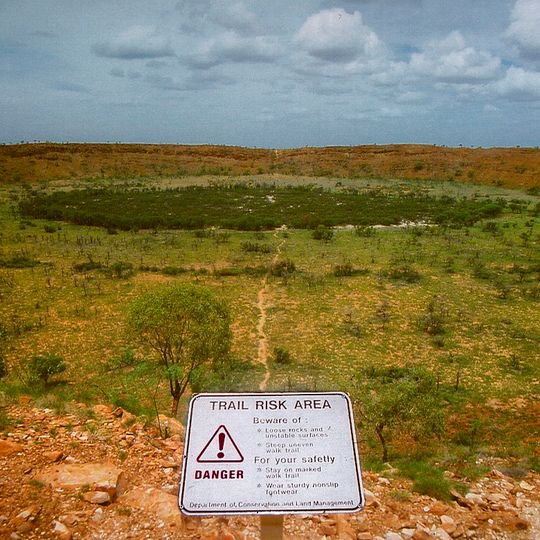
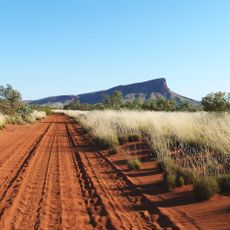
Wolfe Creek Crater, Impact crater in Western Australia

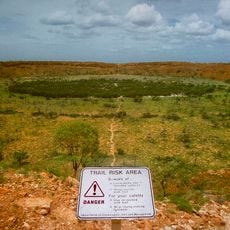
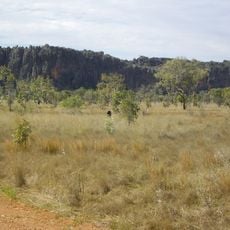
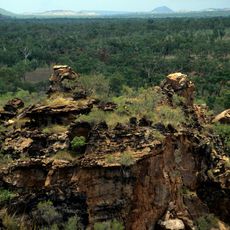
The crater measures 875 meters in diameter and reaches a depth of 60 meters, with steep walls rising above the surrounding desert terrain point.

Aerial surveyors first discovered the crater in 1937, leading to geological investigations that confirmed its formation from a meteorite impact approximately 120,000 years ago.

The Djaru Aboriginal people name this site Kandimalal and include it in their traditional stories about the creation of the landscape.

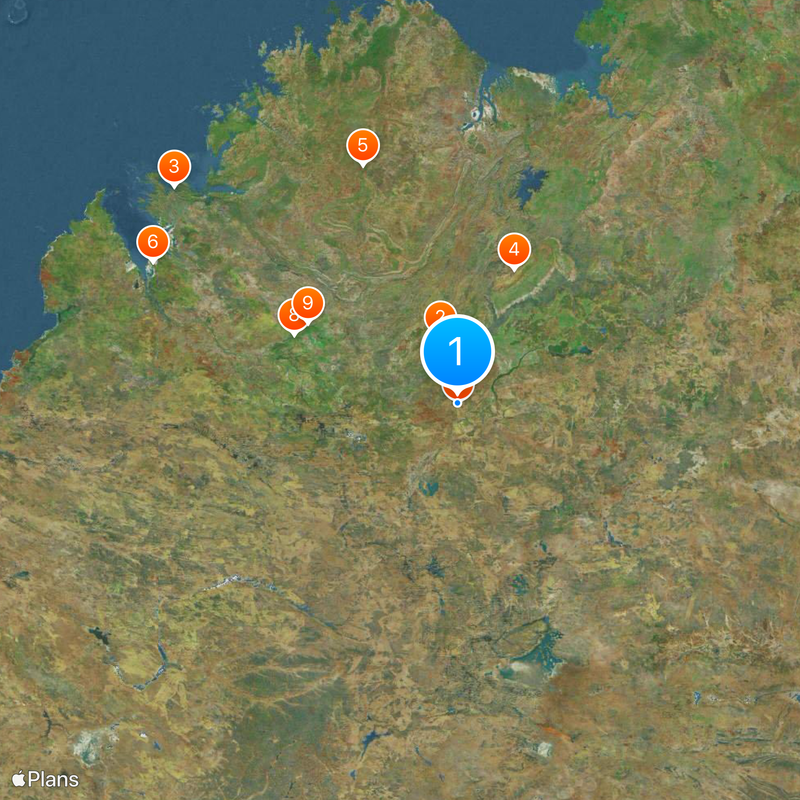
Visitors can reach the crater by traveling 150 kilometers south from Halls Creek along the Tanami Road through the Wolfe Creek Meteorite Crater National Park.

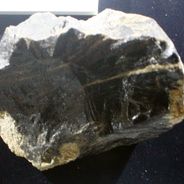
Scientists have found iron oxide fragments weighing up to 250 kilograms near the crater, providing evidence of the original meteorite composition.

Location: Western Australia

Inception: 1969

Elevation above the sea: 369 m

GPS coordinates: -19.17167,127.79556

Latest update: May 26, 2025 21:00

Australian outback: natural landmarks, geology, desert landscapes

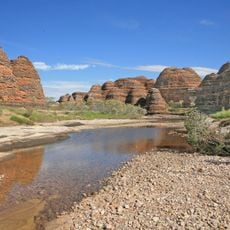
The Australian outback encompasses a vast territory featuring distinctive geological characteristics, including ancient sandstone formations, deep canyons, and expansive salt lakes. This region contains some of Earth's oldest landscapes, from the red monoliths of the Northern Territory to the layered rock formations of Western Australia. Visitors can explore underground settlements created as shelter from extreme temperatures, as well as impact craters dating back millions of years. The collection includes sites such as Uluru and Kata Tjuta in the Northern Territory, which represent massive red sandstone formations. Kings Canyon offers tall sandstone cliffs and gorges, while Purnululu National Park in Western Australia is known for its orange and black striped sandstone domes. Other notable locations include the Devils Marbles (Karlu Karlu), rounded granite boulders in the Northern Territory, and Wolfe Creek Crater, one of the world's largest meteorite craters. Karijini National Park displays deep gorges with layered rock, while Ningaloo Reef on the western coast hosts a coral reef system. The region also contains rainforest areas such as the Daintree Rainforest in Queensland and wilderness areas in Tasmania.

Meteorite craters on Earth

Meteorite craters mark locations where asteroids collided with Earth. These geological structures range from 110 meters to 300 kilometers in diameter. They often contain distinct minerals like diamonds, nickel, and copper. Scientists use the craters to study Earth's history and cosmic events.

Reviews

Visited this place? Tap the stars to rate it and share your experience / photos with the community! Try now! You can cancel it anytime.

« Wolfe Creek Crater: Impact crater in Western Australia » is provided by Around Us (aroundus.com). Images and texts are derived from Wikimedia project under a Creative Commons license. You are allowed to copy, distribute, and modify copies of this page, under the conditions set by the license, as long as this note is clearly visible.

Discover hidden gems everywhere you go!

From secret cafés to breathtaking viewpoints, skip the crowded tourist spots and find places that match your style. Our app makes it easy with voice search, smart filtering, route optimization, and insider tips from travelers worldwide. Download now for the complete mobile experience.
Around Us App Screenshot

A unique approach to discovering new places

Le Figaro

All the places worth exploring

France Info

A tailor-made excursion in just a few clicks

20 Minutes