Amsterdam Gate, Historical gate in Kota district, Jakarta, Indonesia
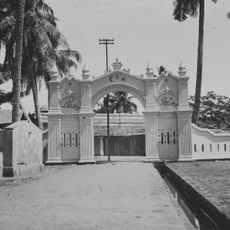
The Amsterdam Gate was a historical entrance structure in Kota district, Jakarta, Indonesia, built during Dutch colonial rule. The building featured a two-story gatehouse topped with a dome, a working clock, and eight black urns that decorated its upper section.
Built in 1744 as part of Batavia Castle during Dutch colonial occupation, it stood for more than two centuries before demolition in the 1950s. The structure underwent significant changes, particularly in the 1870s when its side wings were removed to allow space for newly constructed tramway tracks.
The gateway displayed statues of Mars and Minerva on its southern wall, reflecting how European colonial rulers expressed their power through architecture. These sculptures represented classical values that Dutch governors wanted to impose on the city they controlled.
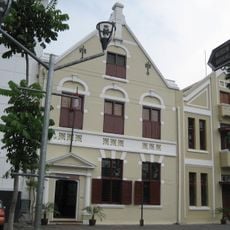
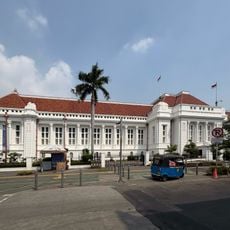
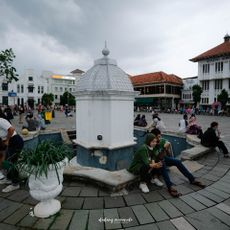
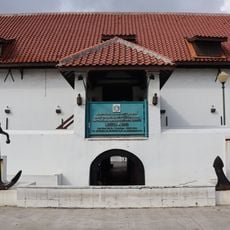
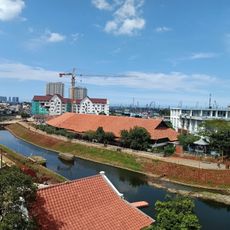
This location no longer exists physically and can only be experienced through historical photographs and archival records that document its former appearance. Visitors interested in seeing the site where it once stood can explore the Kota historic district, which contains other preserved structures from the colonial period.
A section of the gateway functioned as a prison facility, mirroring the Gevangenpoort prison structure in The Hague. This dual purpose of serving as both entrance and detention facility was common in Dutch colonial fortifications, allowing them to maximize space and control.
The community of curious travelers
AroundUs brings together thousands of curated places, local tips, and hidden gems, enriched daily by 91,726 contributors worldwide.