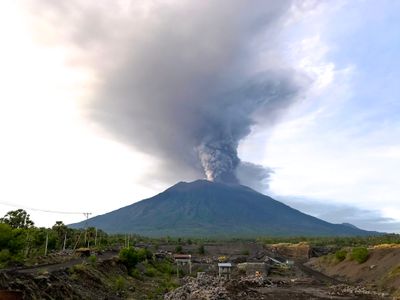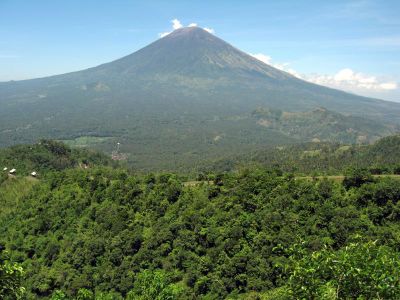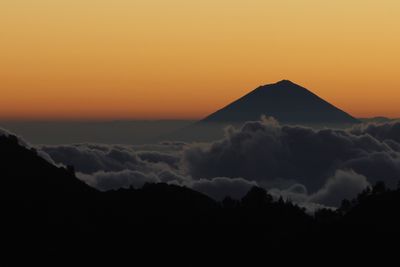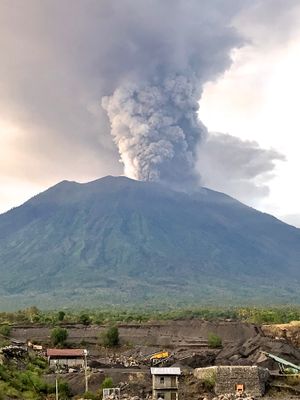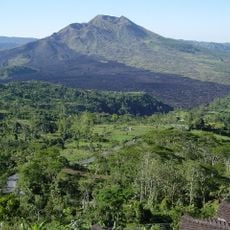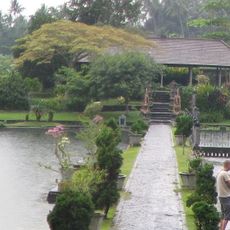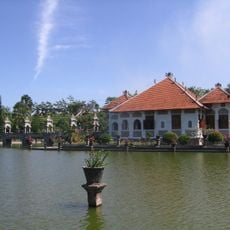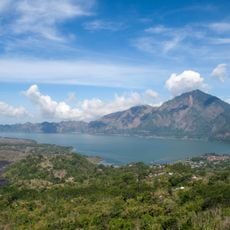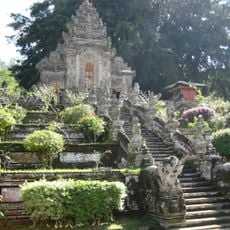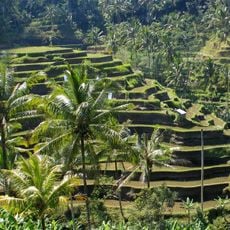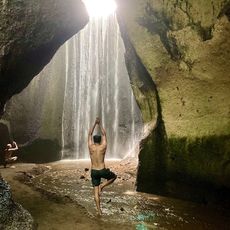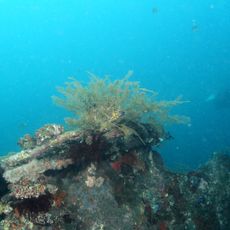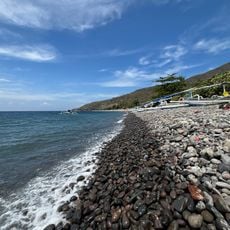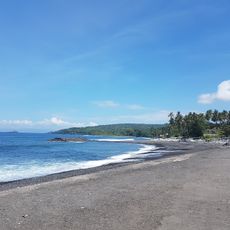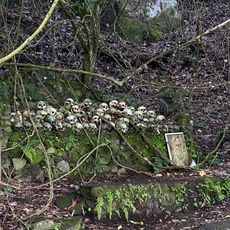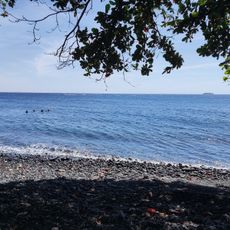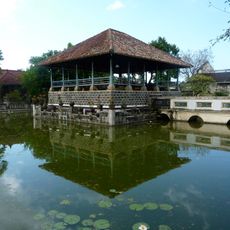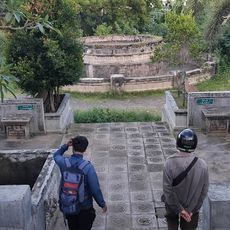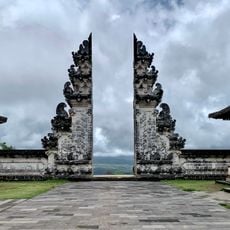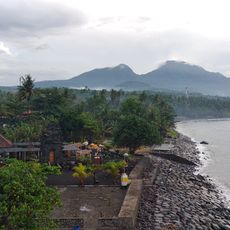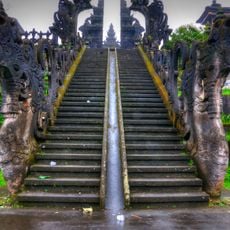
Mount Agung, Stratovolcano in Karangasem, Indonesia.
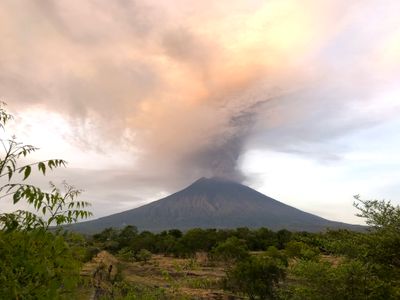
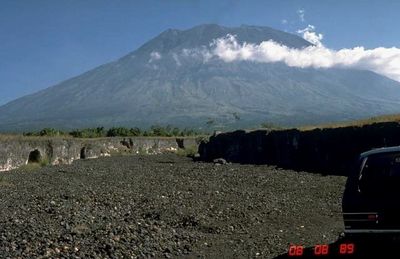
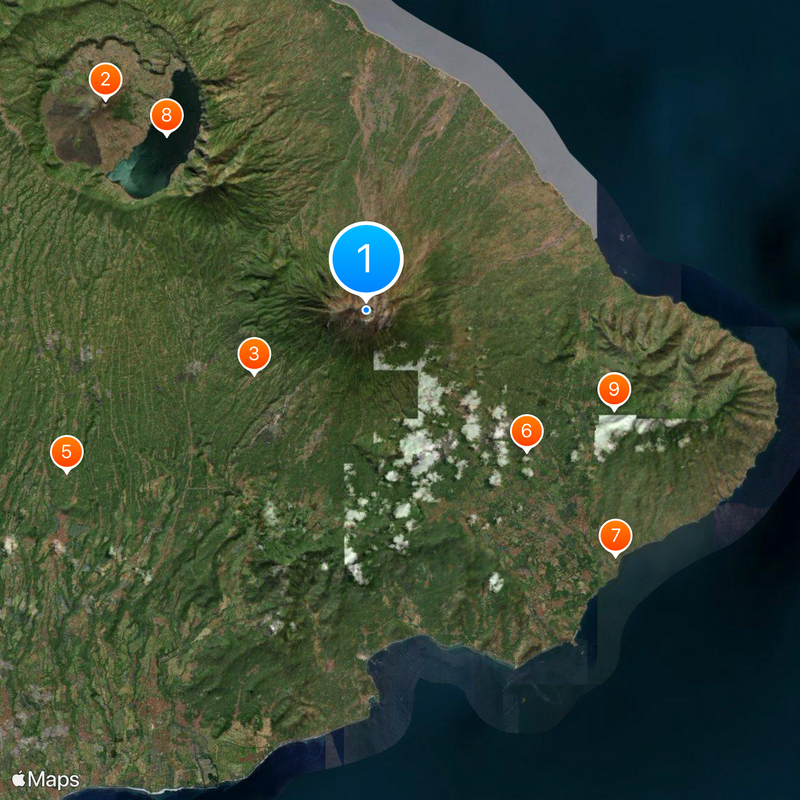
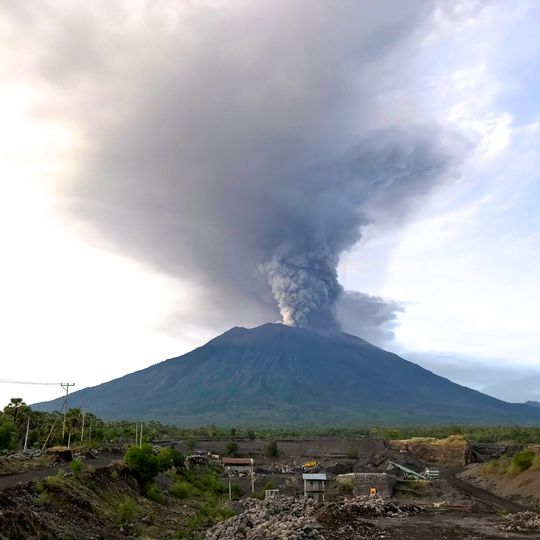
Mount Agung is an active stratovolcano in Karangasem on the island of Bali in Indonesia, rising 3,031 meters above sea level. Its steep slopes are built from layers of hardened lava and volcanic debris that have accumulated over thousands of years.
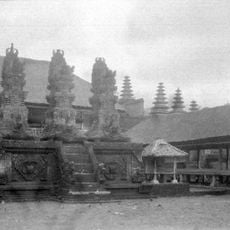
The Karangasem region built a kingdom in the 17th century that used the volcano as a sacred symbol and reserved its slopes for ceremonies. The eruption in 1963 changed the landscape permanently and led to the evacuation of thousands of residents from surrounding villages.
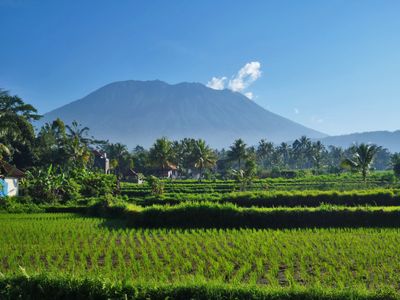
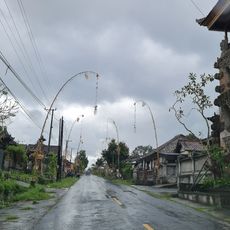
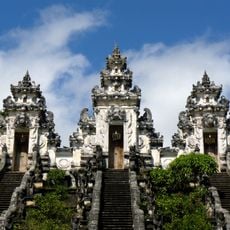
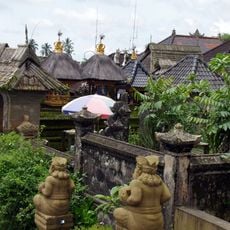
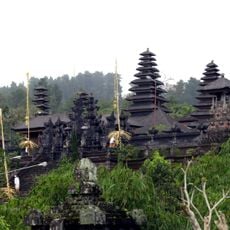
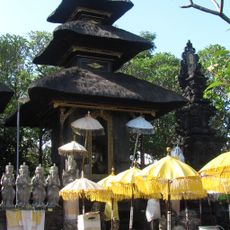
The mountain is considered the home of gods in Balinese tradition, and its name translates to great mountain in the local language. Many residents regard it as the spiritual center of the island, which shows in the way temples and houses are often oriented toward it.
The national disaster management center sets up exclusion zones during periods of heightened volcanic activity that often span several kilometers around the summit and restrict access. Visitors should check current warnings and instructions from local authorities before exploring the area.
The volcano creates two different climate zones on Bali: the south receives much more rainfall, while the north stays drier in the rain shadow. This division influences agriculture and daily life for residents on both sides of the mountain.
The community of curious travelers
AroundUs brings together thousands of curated places, local tips, and hidden gems, enriched daily by 90,918 contributors worldwide.