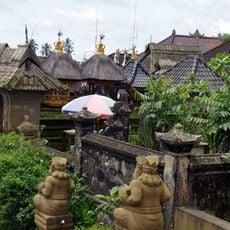
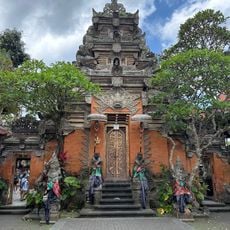
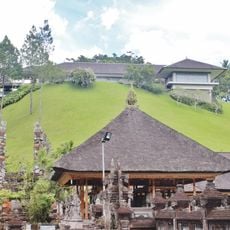
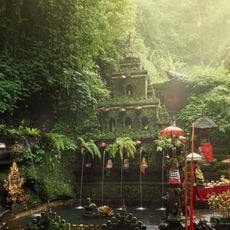
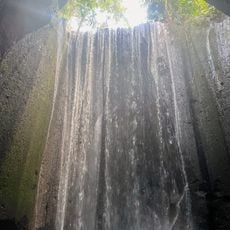
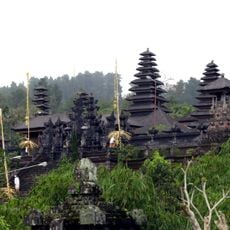
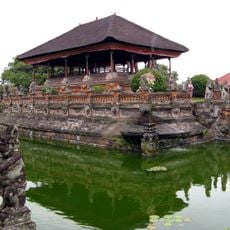
Pura Kehen, Hindu temple in Bangli, Indonesia.
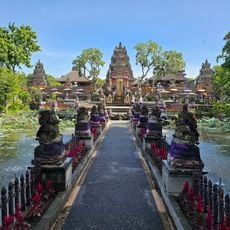
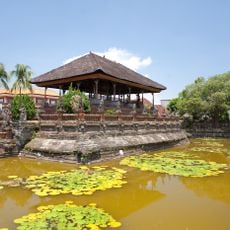
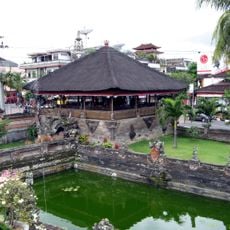
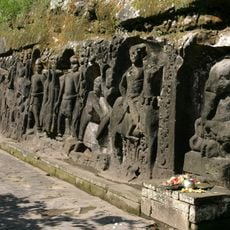
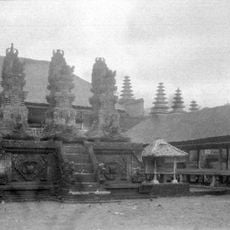
Pura Kehen is a Balinese Hindu temple in Cempaga, Bangli, built on a terraced hilly outcrop aligned north-south. Its eight terraces are divided into three courtyards: jaba pisan, jaba tengah and jero. The entrance uses a paduraksa portal flanked by two candi bentar, and the upper courtyard holds an 11-tiered meru tower and a padmasana shrine.
Pura Kehen appears in three copper inscriptions: the oldest, from 882–914 CE, names it Hyang Api; a second, from 1016–1049, calls it Hyang Kehen and records its use for royal oath ceremonies under King Anak Wungsu; a third, dated Saka 1126 (1204 CE), first uses the name Pura Kehen and names King Sri Dhanadhiraja. It served as the royal temple of the Bangli Kingdom.
This temple serves as a gathering place for the community during major Hindu celebrations like Pagerwesi, which occurs twice yearly to honor deities. These ceremonies connect local people to their spiritual traditions and create moments of shared devotion.
The temple stands on the edge of the main road in Banjar Pakuwon, Cempaga, facing south, at 483 meters above sea level. Its eight terraces rise from the street, so the climb is gradual. The entrance uses a kori agung flanked by two candi bentar, unlike most Balinese temples.
A centuries-old banyan tree stands in the outer sanctuary, its massive root system and sprawling branches creating a green canopy over the grounds. Several walls feature embedded porcelain plates dating to the Dutch colonial era, blending two distinct periods of the site's history.
The community of curious travelers
AroundUs brings together thousands of curated places, local tips, and hidden gems, enriched daily by 93,471 contributors worldwide.