Cultural Landscape of Bali Province: the Subak System as a Manifestation of the Tri Hita Karana Philosophy, Water management system in Bali Province, Indonesia.
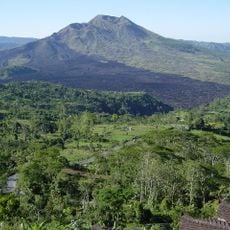
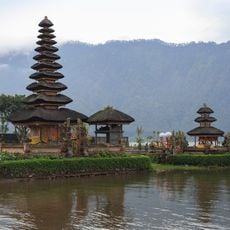
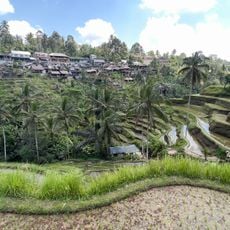
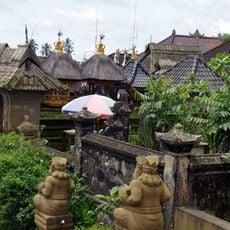
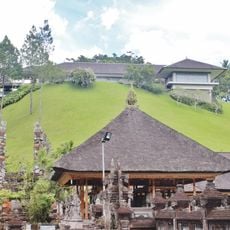
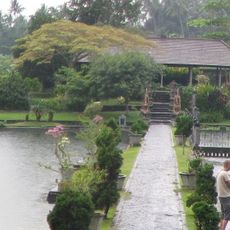
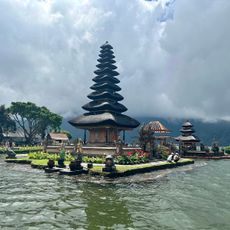
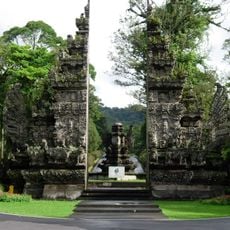
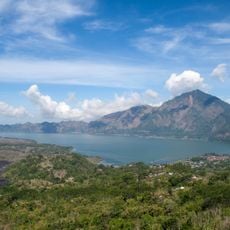
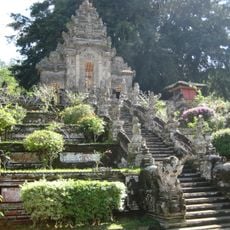
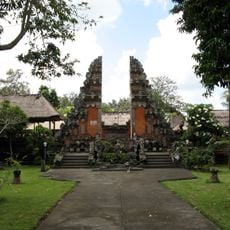
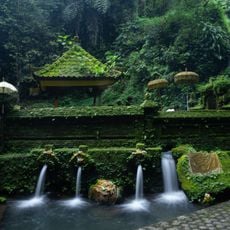
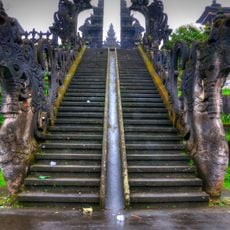
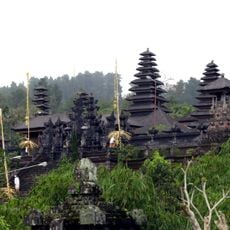
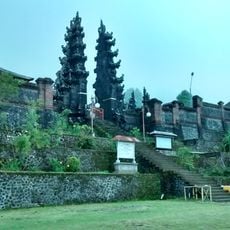
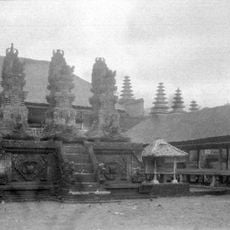
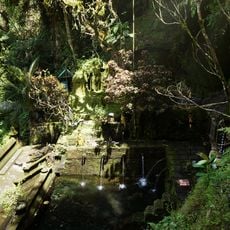
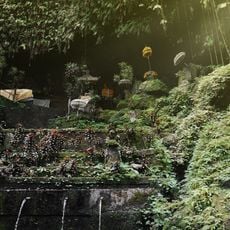
The Cultural Landscape of Bali Province comprises five components: the Pura Ulun Danu Batur temple, Lake Batur, the subak landscape of the Pekerisan watershed, the subak landscape of Catur Angga Batukaru, and the Pura Taman Ayun temple. These sites, covering 20,974.70 hectares, include rice terraces, water temples, and irrigation channels managed by subak associations.
This irrigation system was founded in the 9th century and first appears in written records from the 11th century near Besakih Temple. The method evolved over centuries and became the foundation of Bali's agricultural culture.
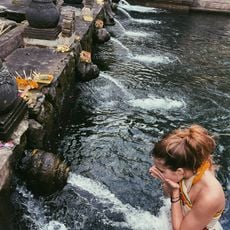
The farmers here follow a belief system called Tri Hita Karana, which connects three kinds of harmony: between people, with nature, and with the divine. You can see this in daily work, where ceremonies and water temples guide the farming year and mark each season.
Visitors can explore the terraced fields best from spring through autumn, when the fields are green or being harvested. The area is walkable by foot or bicycle, and there are several viewpoints where you can see the full pattern of channels and fields.
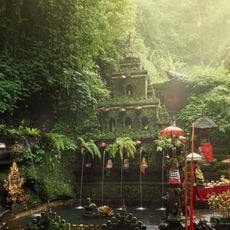
The temple Pura Ulun Danu Batur is believed to be where all the island's springs and rivers originate, serving as the spiritual center for the entire system. This belief shapes how farmers think about water and the decisions they make today.
The community of curious travelers
AroundUs brings together thousands of curated places, local tips, and hidden gems, enriched daily by 92,822 contributors worldwide.