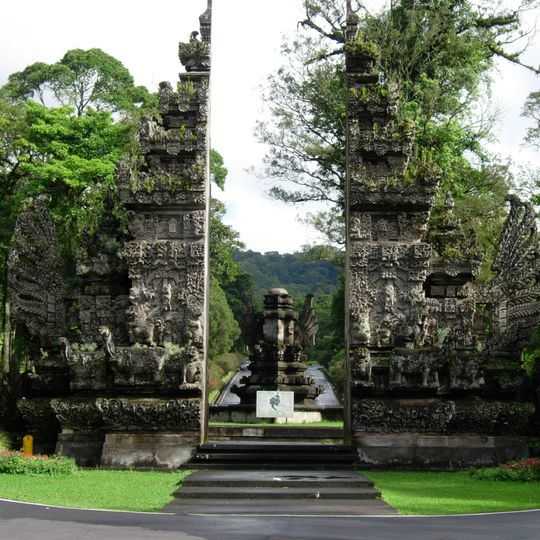
Bali Botanic Garden, Botanical garden in Tabanan, Indonesia.
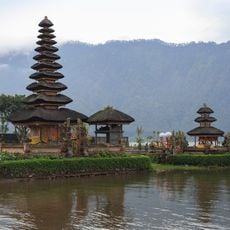
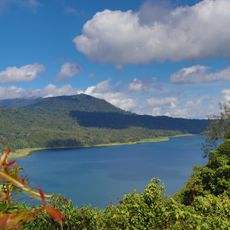
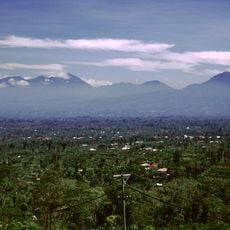
Bali Botanic Garden covers 157.5 hectares on the slopes of Tapak Hill at 1,250–1,450 metres, overlooking Lake Bratan and Ulun Danu Temple. It holds over 21,000 living specimens of about 2,400 species from Bali, Nusa Tenggara, Sulawesi, Maluku and Papua, plus a herbarium of 10,000 preserved specimens. A giant fig tree stands on the upper slope.
The garden was founded in 1959 as a branch of the Bogor National Botanic Gardens and temporarily closed in 1965. It reopened in 1975 and developed into an independent facility with expanding collections.
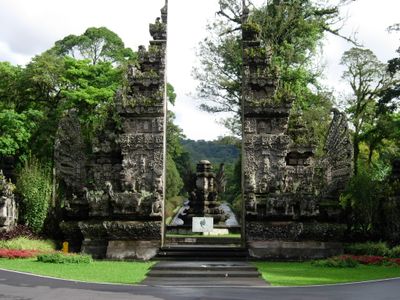
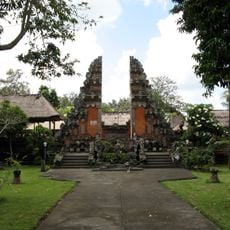
The garden holds 218 species of ceremonial plants and 300 of traditional medicinal plants, used in Balinese Hindu rites. Three Hindu temples are reached from paths inside the garden, so worshippers pass the collections on their way to ceremonies. The name "Eka Karya" was proposed by I Made Taman: eka means one, karya means work, marking the first botanic garden created by Indonesians after independence.
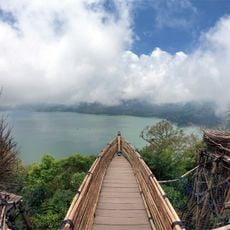
The garden lies at 1,250–1,450 m above sea level, with daytime temperatures of 17–25 °C and nights of 10–15 °C; humidity averages 70–90%. Paths run from the entrance up the slopes of Tapak Hill, so allow time for walking and bring rain protection. On clear days Lake Bratan and the Ulun Danu Temple are visible from the upper ground.
The garden holds one of the world's largest begonia collections, about 100 species, in its conservatory. At least 79 bird species have been recorded here, and treeshrews are regularly seen; macaques occasionally enter from the adjacent Batukaru Nature Reserve. A giant fig tree on the upper slope of Tapak Hill is among the garden's most photographed plants.
The community of curious travelers
AroundUs brings together thousands of curated places, local tips, and hidden gems, enriched daily by 93,465 contributors worldwide.