Limmen National Park, Nature reserve in Northern Territory, Australia
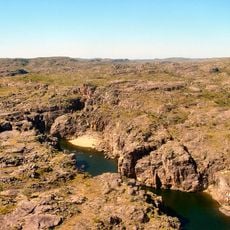
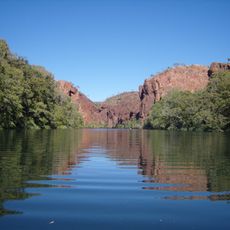
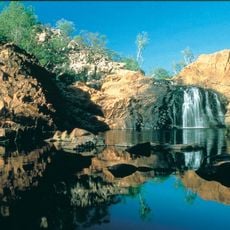
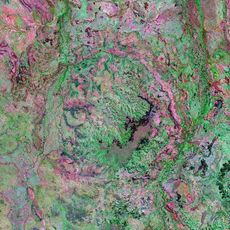
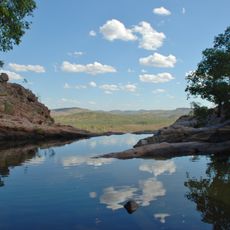
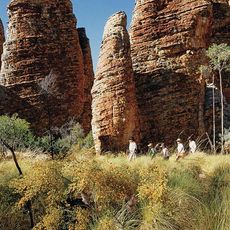
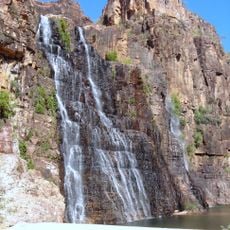
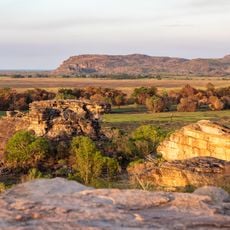
Limmen National Park covers about 9,369 square kilometres of the Roper Gulf Region, roughly 305 km south-east of Katherine and 75 km north-west of Borroloola. Its weathered sandstone forms tower and dome shapes known as the Lost Cities, cut by alluvial valleys and rivers including the Limmen Bight River.
The park was declared on 17 July 2012. About 20% of the originally planned area was excluded to allow iron ore exploration and extraction, a decision welcomed by Western Desert Resources. The NT Environment Centre called the government "unnecessarily generous to miners". Western Desert Resources went into administration in 2014; in 2018 Nathan River Resources, owned by British Marine, was approved to restart the mine.
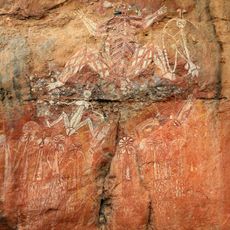
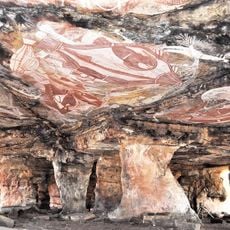
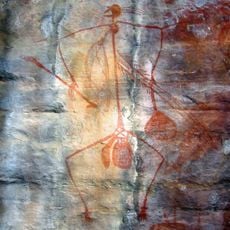
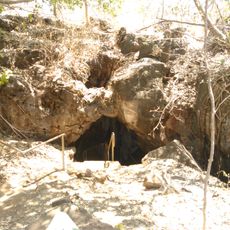
At Yilbilinji rock shelter, archaeologists found in 2017 seventeen miniature stencilled designs: human figures, boomerangs, crabs, long-necked turtles, wavy lines and geometric shapes. Unlike life-size stencils made from body parts, these tiny images may have been cut from beeswax. Only two other such sites are known, at Nielson's Creek in New South Wales and on Kisar Island in Indonesia.
Access to the park requires authorization, and guided visits to certain areas need prior arrangements with ranger stations. Visitors should prepare for rough terrain and bring plenty of water and supplies for extended stays.
The "Lost Cities" are sandstone towers and domes that resemble tall apartment blocks, reached via the Roper Bar–Borroloola road through the park. The same park holds the Yilbilinji shelter, where 17 miniature stencilled designs of human figures, boomerangs, crabs, long-necked turtles, wavy lines and geometric shapes were found by archaeologists in 2017, possibly made with beeswax stencils.
The community of curious travelers
AroundUs brings together thousands of curated places, local tips, and hidden gems, enriched daily by 94,047 contributors worldwide.