Wurrwurrwuy, Indigenous cultural heritage site in Yirrkala, Australia
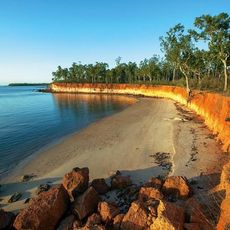
Wurrwurrwuy is a site with stone arrangements spread across about 1.41 hectares, divided into three separate groups that show boats, structures, and daily living patterns. These arrangements record practical activities and the way people organized their work and spaces in this coastal area.
Yumbul made the first stone pictures, probably in the second half of the 19th century, and his son Dhatalamirri added more later; both belonged to the Lamomirri clan, after whose last responsible man the Gumatj took custody. The site recalls the Macassan trepang industry, which ended in 1906 when the South Australian Government restricted licences to locally owned vessels.
The Yolngu incorporated the Macassans into their ceremonies and song cycles, some of which reference Muslim prayers. Macassan loanwords for parts of praus and their rigging survive in Arnhem Land languages, and the stone pictures carry the Macassan names for the rudder, bowsprit and tripod mast.
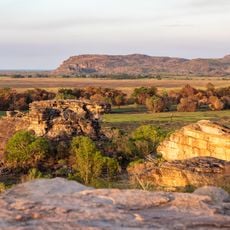
The stone pictures lie within Lamomirri clan territory near Yirrkala, now in the custody of the Gumatj clan; visitors should treat them as a heritage-listed Aboriginal site and seek permission through the appropriate Yolngu custodians. The site was recorded by Macknight and Grey in 1967, when informants Munggurrawuy and Mawalan explained the layout of the prau pictures.
The custodians Munggurrawuy and Mawalan told the 1967 recorders that Wurrwurrwuy carried no sacred associations; they valued it because it gave younger men an idea of how the Macassans lived. The divisions inside the stone praus mark the crews' quarters, galley, eating space, store and water tank.
The community of curious travelers
AroundUs brings together thousands of curated places, local tips, and hidden gems, enriched daily by 94,195 contributors worldwide.