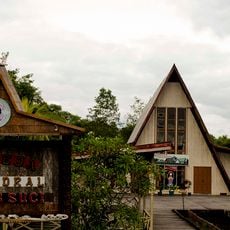
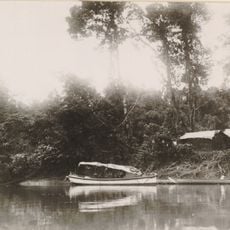
Wasur National Park, National park and Ramsar site in Papua, Indonesia
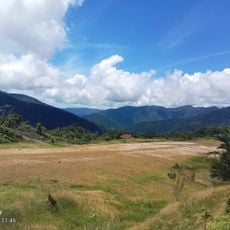
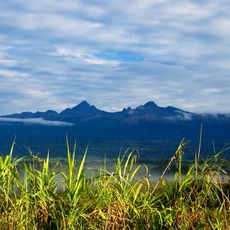
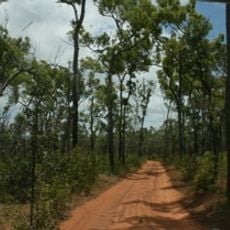
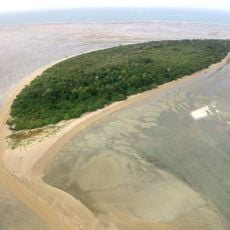
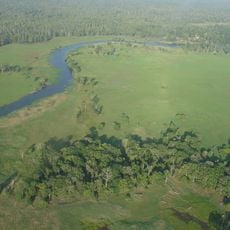
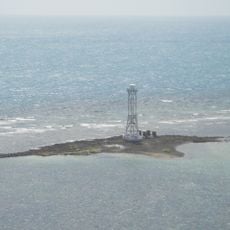
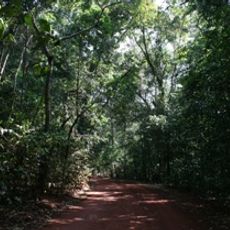
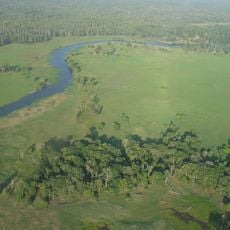
Wasur National Park is a protected area in the southeastern corner of Indonesian Papua, bordering Papua New Guinea. It covers wetlands, savannas, open grasslands, and forest patches that sit side by side across a largely flat terrain.
The Wasur area was first protected as a wildlife reserve in 1978, covering 2,100 km2. An enlarged area of 4,138 km2 was declared a national park in 1990, and in 2006 the park was recognised as a Ramsar wetland of international importance. Since 1991 the WWF has run a conservation and development project there, and in 2002 a memorandum between Wasur, Papua New Guinea's Tonda reserve and Australia's Kakadu National Park linked the three wetlands.
Four groups live inside the park: Kanum, Marind, Marori Men-Gey and Yei, about 2,500 people in 14 villages, who eat fish, sago, sweet potato, deer, bandicoot and wallaby. Festivals, pig feasts, dancing, weaving and traditional cooking survive, and the southern part holds ancient agricultural mounds of archaeological importance.
The dry season, roughly from May to October, makes moving through the wetland areas much easier and more comfortable. The nearest base for visitors is Merauke, a town on the southern coast of Papua, which serves as the main gateway to the park.
The rusa deer was introduced to Papua by the Dutch at Merauke in 1928. Local communities link its spread to the loss of tall swamp grasses, the end of breeding by Australian pelicans and magpie geese, the decline of Phragmites reeds and the spread of Melaleuca over open grassland.
The community of curious travelers
AroundUs brings together thousands of curated places, local tips, and hidden gems, enriched daily by 92,691 contributors worldwide.