Puncak Mandala, Mountain summit in Highland Papua, Indonesia
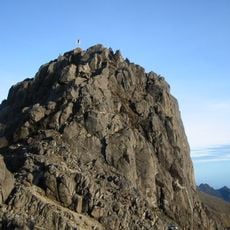
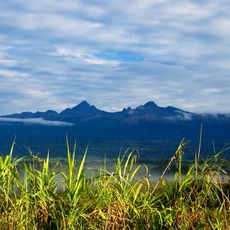
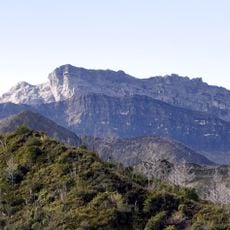
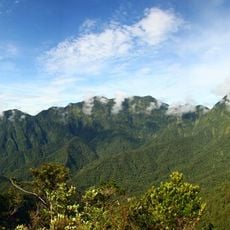
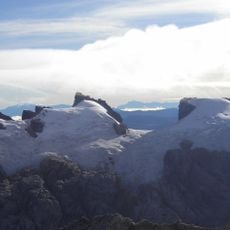
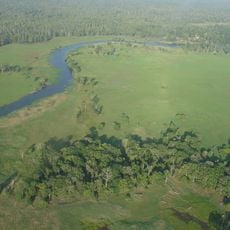
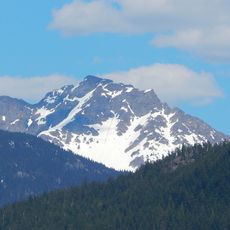
Puncak Mandala is a 4,760-metre summit in the Jayawijaya (Orange) Range of Highland Papua, Indonesia, near the Papua New Guinea border, forming the eastern part of the Bintang Mountains. It is the range's highest point and, after Puncak Jaya 350 km to the west, the second-highest freestanding mountain on New Guinea. It is one of the three high massifs of Western New Guinea, with the Carstensz and Trikora complexes.
Dutch climbers of the 1959 Star Mountains expedition reached the summit on 9 September, the first recorded ascent. The peak was then known as Julianatop, after the Dutch queen; Indonesia renamed it Puncak Mandala in 1963. Austrian Christian Stangl climbed it on 28 February 2012 during his attempt at the Seven Second and Seven Third Summits.
Locally the peak is called Aplim Apom, the holy place where the creator Atangki made the Aplim Apom Sibilki, the children of Aplim Apom. Believers hold the mountain to be the centre of the universe and the dwelling place of Atangki. The Indonesian name Mandala was chosen without a recorded reason, but it echoes that creation myth.
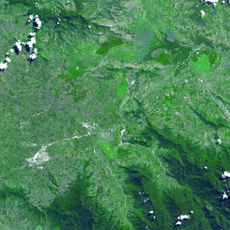
The peak lies in the eastern Bintang Mountains near the Papua New Guinea border, and the usual approach is from the north through Bime. The first recorded ascent, by the Dutch 1959 Star Mountains expedition, reached the top on 9 September. Allow for a long, rarely travelled route; Christian Stangl climbed it on 28 February 2012.
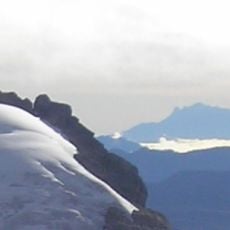
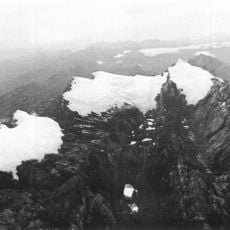
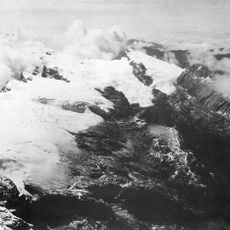
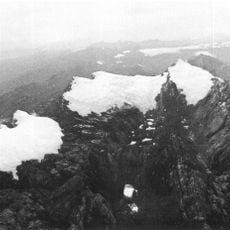
The ice cap was about 100 metres deep in 1959 and measured 15,000 square metres when last seen in 1989; its disappearance was confirmed in 2003. Shuttle Radar Topography Mission data suggest the peak is likely higher than Puncak Trikora, which lost its ice cap around 1960.
The community of curious travelers
AroundUs brings together thousands of curated places, local tips, and hidden gems, enriched daily by 93,527 contributors worldwide.