Puncak Trikora, Mountain summit in Papua, Indonesia
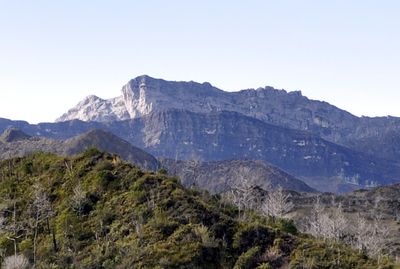
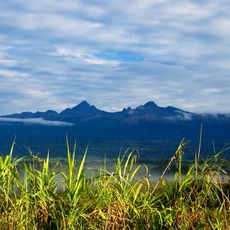
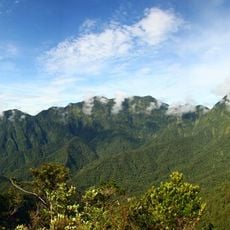
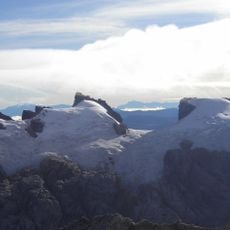
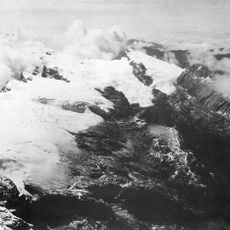
Puncak Trikora is a summit in the Sudirman Range, part of the Maoke Mountains in the Indonesian province of Papua, reaching around 4,750 meters above sea level. The peak is defined by steep limestone cliffs and exposed ridges that make the terrain considerably harder than other mountains at a similar elevation.
The summit was first reached on 21 February 1913 by the summit team of the Third South New Guinea Expedition: leader Alphons Franssen Herderschee, geologist Paul François Hubrecht and zoologist Gerard Martinus Versteeg. The expedition, running from September 1912 to April 1913, followed the route of the earlier Dutch parties and studied soils, flora and fauna above 2,300 metres. Its baggage train numbered 241 people, including soldiers, porters and Dayaks.
The Dani living near Lake Habbema call the mountain Ettiakup. The name Wilhelminatop honoured Dutch Queen Wilhelmina until 1963, when Indonesia renamed the peak after Sukarno's Trikora speech of December 1961, which called for defeating a separate West Papuan state, raising the Indonesian flag there and readiness for mobilisation.
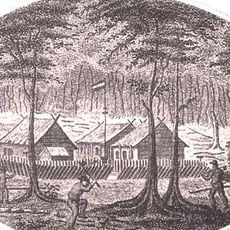
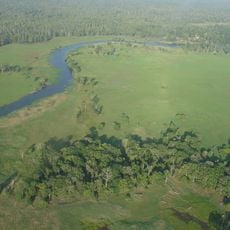
The usual approach follows the Noord River, renamed the Lorentz River in 1910, which made this peak more accessible than other snow-covered summits of Dutch New Guinea. The 1907 and 1909 expeditions established Camp Alkmaar where the river becomes unnavigable, and the 1913 summit team climbed from there. Expect cold nights and sudden weather changes at altitude.
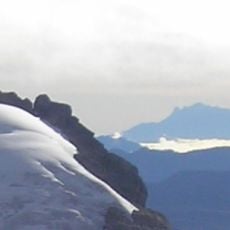
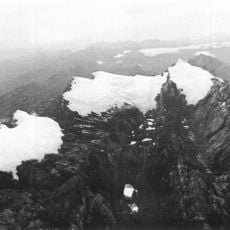
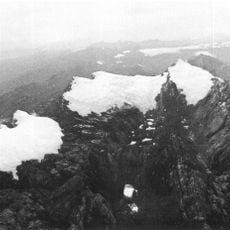
In 1909 the ice cap reached down to 4,400 m; by 1921 Paul Hubrecht, returning to the summit he had first climbed in 1913, noticed it had retreated considerably in eight years. It had melted entirely by 1962.
The community of curious travelers
AroundUs brings together thousands of curated places, local tips, and hidden gems, enriched daily by 92,596 contributors worldwide.