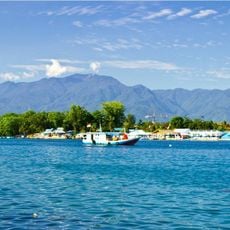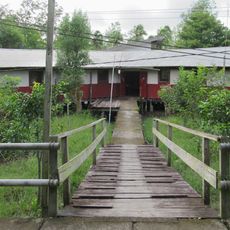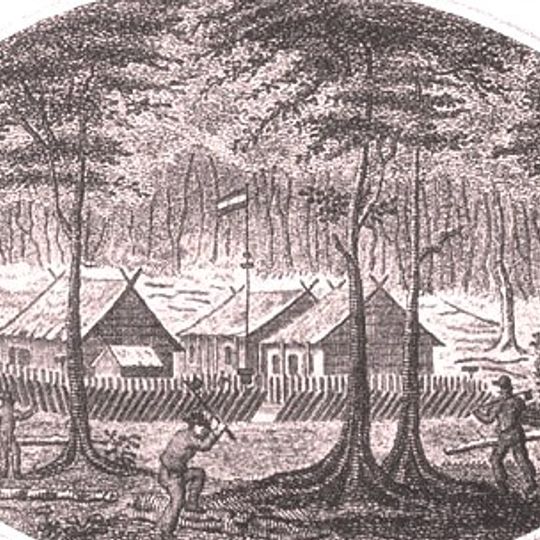
Fort Du Bus, Dutch colonial fort in Triton Bay, West Papua, Indonesia
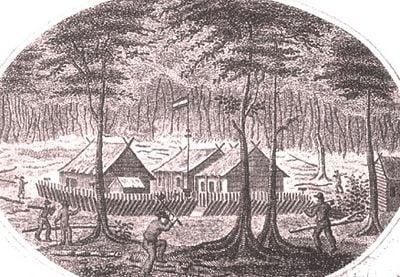
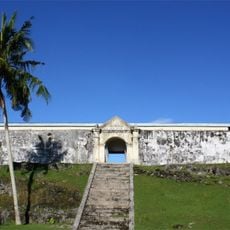
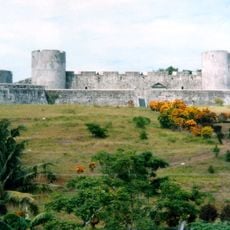
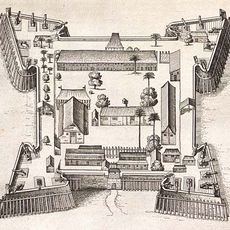
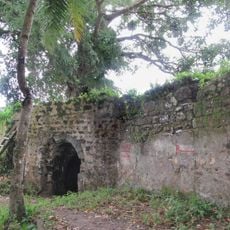
Fort Du Bus is a fortification at the head of a small bay in West New Guinea, featuring double palisade walls and several buildings constructed in Dutch colonial style. The structure includes multiple military buildings that reflect the defensive design the Dutch implemented in this region.
The Dutch established Fort Du Bus in 1828 as their first European settlement in New Guinea to counter British presence in the region. They abandoned the site seven years later, withdrawing from this part of Papua.
This site functioned as a meeting place where Dutch settlers, coastal inhabitants, and traders from inland communities exchanged goods like massoia bark, aromatic woods, and bird nests. The trading patterns established here reflect how this region connected with the wider world.
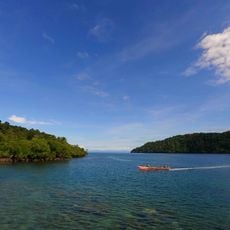
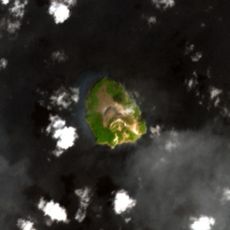
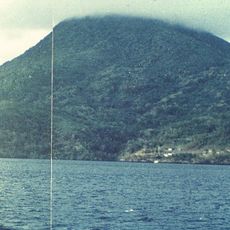
The location sits along a remote coastal section in present-day Kaimana Regency in West Papua, accessible by water. A visit requires good planning since the region is sparsely populated and logistically challenging to reach.
French explorer Jules Dumont d'Urville discovered remnants of a lemon grove and a row of coconut palms at the ruins during his 1839 expedition. These plantings show how settlers tried to recreate familiar surroundings in this remote location.
The community of curious travelers
AroundUs brings together thousands of curated places, local tips, and hidden gems, enriched daily by 92,691 contributors worldwide.