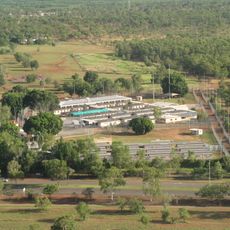
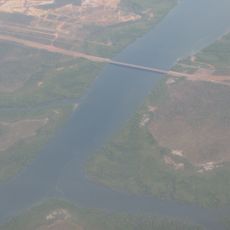
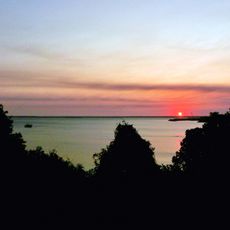
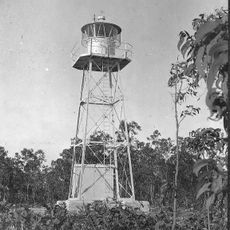
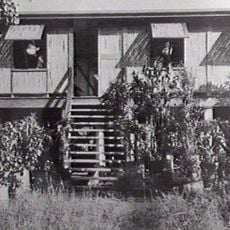
Fujita salvage operation, Maritime salvage site in Darwin Harbour, Australia.
The Fujita Salvage Operation removed seven large shipwrecks from Darwin Harbour between 1959 and 1961 using a workforce of about 120 people. The team cut the wrecks into sections with specialized equipment and explosives, then lifted each piece to the surface with floating crane barges.
Darwin Harbour was attacked on February 19, 1942, when Japanese aircraft carriers sent planes that sank several military and merchant ships in the waters. The remaining wrecks stayed on the seabed for years until this salvage operation eventually removed them.
The Japanese salvage team and Darwin residents built connections through daily interactions while working on the recovered MV British Motorist. Shared meals and casual encounters shaped how the workers and local community experienced the operation together.
The work required experienced diving teams who operated in family units and performed cutting and blasting tasks underwater. Visitors should know that the harbour itself remains an active port, so access to wreck sites may be limited or restricted.
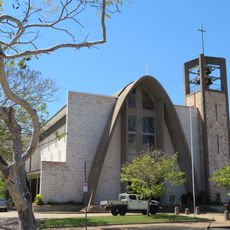
Ryogo Fujita created bronze crosses from metal salvaged from the MV Zealandia, which he donated to the local church. These handcrafted objects connected the salvage effort to a deeper spiritual purpose for the community.
The community of curious travelers
AroundUs brings together thousands of curated places, local tips, and hidden gems, enriched daily by 90,897 contributors worldwide.